“An Ounce Of Prevention Is Worth A Pound Of Cure.” – Benjamin Franklin’s wisdom rings especially true for any commercial kitchen. A minor issue that’s ignored can rapidly turn into a serious, expensive problem.
View Details About Grease Trap Cleaning

This Site Is About Grease Trap Pumping

Explore More About Grease Trap Pumping
Grease Cleaning Pros is the trusted expert for keeping Atlanta’s restaurants and food service businesses running smoothly. They specialize in resolving issues with the critical equipment that keeps kitchens compliant and operational.
When this vital system breaks down, it becomes much more than a simple nuisance. It can trigger severe plumbing backups, health-code violations, and disruptive downtime. Timely, professional intervention is not just a fix—it’s a necessity for compliance with local F.O.G. regulations.
The company is committed to delivering dependable, efficient solutions. Their work minimizes disruption so your business can get back to serving customers quickly. They focus on code-compliant results built to last.
Their approachable, professional crew covers emergency fixes, scheduled maintenance, and new installs. This makes them a genuine one-stop partner for all grease management needs throughout the Atlanta metro area.
Don’t allow a breakdown to disrupt your operation. Contact Grease Cleaning Pros today for a fast assessment and a clear quote.
Key Takeaways
- Grease Cleaning Pros offers professional repair and maintenance services for commercial kitchens across Atlanta.
- A malfunctioning grease interceptor can lead to serious plumbing issues, health-code penalties, and operational interruptions.
- Prompt professional service is critical to staying compliant with local F.O.G. regulations.
- They prioritize dependable repairs with minimal downtime to keep your food service business running.
- Their team provides a full range of solutions—emergency response, maintenance, and installation.
- Local expertise in the Atlanta area ensures understanding of Georgia’s specific requirements.
- Proactive maintenance and quick professional help prevent small problems from becoming major expenses.
Understanding Grease Traps And Their Role In Your Kitchen
Behind the scenes of a bustling restaurant, a specialized device works tirelessly to prevent plumbing disasters. This equipment is critical for any food service operation that produces cooking byproducts.
Learning how it functions—and why it matters—can protect a business from major headaches. The team at Grease Cleaning Pros helps Atlanta owners understand these fundamentals for smarter kitchen management.

What Is A Grease Trap?
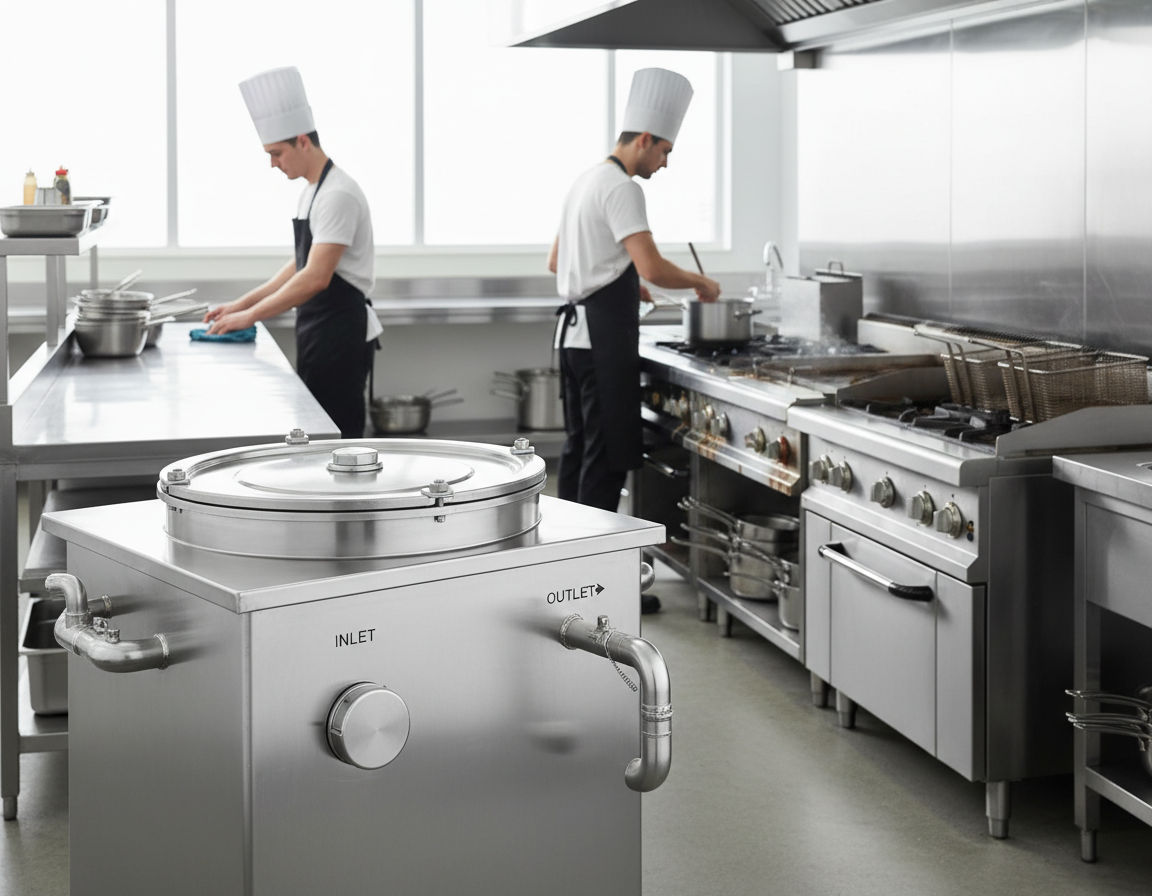
A grease trap, sometimes called a grease interceptor or separator, is an essential plumbing device. It captures fats, oils, and grease from kitchen wastewater before this water enters the sewer system.
Inside the unit, baffles slow the flow of water. That allows fats, oils, and grease to cool, solidify, and separate from the water.
Cleaner water flows out, while captured FOG stays behind for later removal. These devices come in various sizes to match different kitchen needs.
Compact under-sink units serve specific prep stations. Large in-ground concrete interceptors manage the high volume produced by a full commercial kitchen.
How Grease Traps Protect Your Plumbing And Business
These devices are critical for safeguarding internal plumbing in a commercial operation. Without one, fats, oils, and grease can solidify inside pipes, causing costly clogs and backups.
A blockage like this can stop kitchen operations altogether. A properly working interceptor prevents this by stopping FOG at the source.
It also protects the public sewer system. Local rules, including those associated with the Georgia F.O.G. Alliance, strictly prohibit FOG from entering public sewer lines.
Noncompliance can result in heavy fines. Grease Cleaning Pros knows these Georgia requirements and helps ensure systems meet code.
Beyond compliance, a well-maintained unit supports overall kitchen sanitation. It reduces foul smells and helps deter pests such as rodents and insects.
This is vital for any food service environment, from school cafeterias to food trucks. Any establishment that cooks with oils or handles animal fats needs a reliable solution.
Grease Cleaning Pros also educates owners, helping them understand the full value of a grease management system. Understanding your interceptor is the first step toward proactive care.
This knowledge helps you avoid emergencies and keeps your kitchen operating smoothly. Consistent maintenance—guided by professionals—is the best defense against surprise problems.
Common Grease Trap Problems That Demand Attention
Spotting early warning signs in a kitchen’s essential plumbing device can prevent a full-blown crisis. These units are built to handle heavy use, but they are not immune to failure.
When issues surface, they demand prompt professional attention. Ignoring them can cause shutdowns, regulatory fines, and expensive damage.
Grease Cleaning Pros encounters a consistent set of issues throughout Atlanta’s food service sector. Knowing these common problems is the first step toward a reliable solution.
Clogs From Fats, Oils, And Grease (FOG)
The most frequent problem is a major blockage caused by accumulated fats, oils, and grease. This material, often called FOG, cools and solidifies inside pipes and the interceptor itself.
Blockages like this can completely halt wastewater flow. The issue often begins in kitchen drain lines connected to sinks and dishwashers.
Over time, the backup reaches the primary separation unit. This can cause overflows that flood the kitchen floor.
Picture a restaurant forced to close during the dinner rush because sinks won’t drain. That scenario highlights how urgent it is to address blockages quickly.
Grease Cleaning Pros is equipped to pinpoint the source of the clog. Their team clears it efficiently to restore normal operations.
Leaks And Structural Damage
Another serious issue involves leaks and weakened structural integrity. Concrete in-ground units can crack due to ground movement or age.
Seals and gaskets at access points can fail. Pipes connecting to the system may corrode over time.
These failures lead to untreated wastewater escaping into the surrounding soil. That creates an environmental contamination risk.
It can also damage foundations and landscaping. Structural issues from vehicle traffic or settlement require a professional assessment.
Such damage is not always visible from the surface. A thorough inspection by experts like Grease Cleaning Pros is crucial to identify hidden weaknesses.
Odors And Sanitation Issues
Foul smells emanating from drains or the interceptor area signal a sanitation crisis. These smells are caused by anaerobic bacteria decomposing trapped organic material.
That process creates hydrogen sulfide gas, known for its rotten egg odor. Persistent odors are a clear sign of system failure.
They can quickly result in health-code violations during inspections. Even worse, they can ruin the dining experience for customers.
A smelly dining patio or kitchen can harm a restaurant’s reputation. Fixing the root cause of odors is essential for any food service business.
Often, these problems compound one another. A clog can trigger an overflow, stressing seals and causing leaks.
Stagnant wastewater then encourages bacterial growth and foul odors. That creates a multi-layered situation that needs a comprehensive solution.
A slow drain can quickly escalate into an emergency that shuts down a kitchen.
Grease Cleaning Pros serves as a rapid-response team for these complex situations. They diagnose whether the problem is a straightforward clog or a deeper structural failure.
Timely professional intervention prevents a minor issue from becoming a major expense. Their expertise ensures the system is restored to proper, code-compliant function.
Our Expert Grease Trap Repair Services
A malfunctioning interceptor demands a specialized set of solutions to get a food service operation back on track. Grease Cleaning Pros delivers comprehensive fixes tailored to every issue a kitchen might face. Their team tackles problems precisely, from simple clogs to complex structural failures.
These expert services are built to bring full functionality back quickly. The goal is always to minimize disruption to daily business. Each job is handled by licensed, bonded, insured professionals who know commercial kitchen plumbing inside and out.
Diagnosing And Fixing Clogs
Blockages from fats, oils, and grease are a frequent headache. The team starts with a thorough diagnosis to find the exact source of the backup. They use proven, advanced methods to clear the line safely and effectively.
High-pressure water jetting can strip away stubborn accumulations. Mechanical augering might be needed for solid obstructions. In certain cases, specialized enzymatic treatments break down organic material without damaging pipes.
This approach ensures the flow is restored and future blockages are prevented. It’s a key part of keeping a kitchen’s plumbing system running smoothly.
Sealing Leaks And Replacing Components
Leaks need immediate attention to prevent environmental and property damage. Technicians check for concrete cracks, failed gaskets, and corroded pipes. They pinpoint the exact failure point before work begins.
They apply permanent sealing methods to stop leaks at the source. If any section is too damaged, it’s replaced with new, durable materials. Worn parts—baffles, lids, outlet tees—are replaced as needed.
This brings the separator back to its designed integrity. Using professional-grade equipment and materials, every fix meets strict plumbing standards. The result is a durable, reliable solution owners can count on.
Restoring Optimal Performance
The ultimate aim of any service call is to return the device to its original, code-compliant efficiency. Grease Cleaning Pros doesn’t just patch problems; they optimize the entire unit. Their work ensures it captures FOG the way it was designed to.
This process transforms a problem unit into a dependable asset. It helps protect the business from costly penalties and operational shutdowns. The technicians work with an understanding of kitchen workflows to reduce downtime.
Expert intervention turns a liability back into a line of defense for your plumbing.
With deep grease-management expertise, they act as true system optimizers. Clients gain peace of mind knowing the job is done legally and responsibly. These professional services keep Atlanta food service businesses operating without interruption.
The Grease Cleaning Pros Repair Process: Step-By-Step
A clear step-by-step approach is what separates a lasting repair from a temporary patch in a commercial kitchen. Grease Cleaning Pros has developed a method that’s both systematic and customer-first.
Their process helps ensure each job is done right the first time. It converts a potential crisis into a managed project with a clear beginning, middle, and end.
Inspection And Assessment
Every fix starts by understanding the situation. A certified technician arrives to perform a complete evaluation of the situation.
This isn’t a quick glance. The inspection is thorough and data-driven.
- Flow Check: The technician measures inlet and outlet flow to identify restrictions.
- FOG Measurement: They assess the level of accumulated fats, oils, and grease inside the unit.
- Structural Exam: All parts, from baffles to tank walls, are inspected for cracks or wear.
- Plumbing Review: Drain lines tied into the system are checked for contributing problems or damage.
This detailed diagnosis pinpoints the exact problem and its scope. There’s no guessing here, only facts.
Tailored Repair Plan
After the assessment, the next step is collaboration. The technician develops a custom plan tailored to the specific needs of the business.
This plan is laid out clearly for the owner or manager. It outlines the required work, the expected timeline, and a clear cost estimate.
Any required permits for the work are also discussed. This planning phase is collaborative, not one-sided.
“We work with your schedule, not against it,” says a company master plumber. “Minimizing disruption to your restaurant is central to our plan.”
This collaborative approach keeps everyone aligned before work begins.
Efficient And Code-Compliant Repairs
Once the plan is approved, the skilled team moves to execution. They arrive equipped with the right tools and techniques for the work.
Whether they’re clearing a major clog or replacing a damaged section, the work is precise. Every action is performed with an eye on local Atlanta and Georgia F.O.G. regulations.
Compliance is non-negotiable. This ensures the business is positioned to pass future health or plumbing inspections.
The team‘s experience allows them to solve difficult problems efficiently. They work together, using collective knowledge to ensure success.
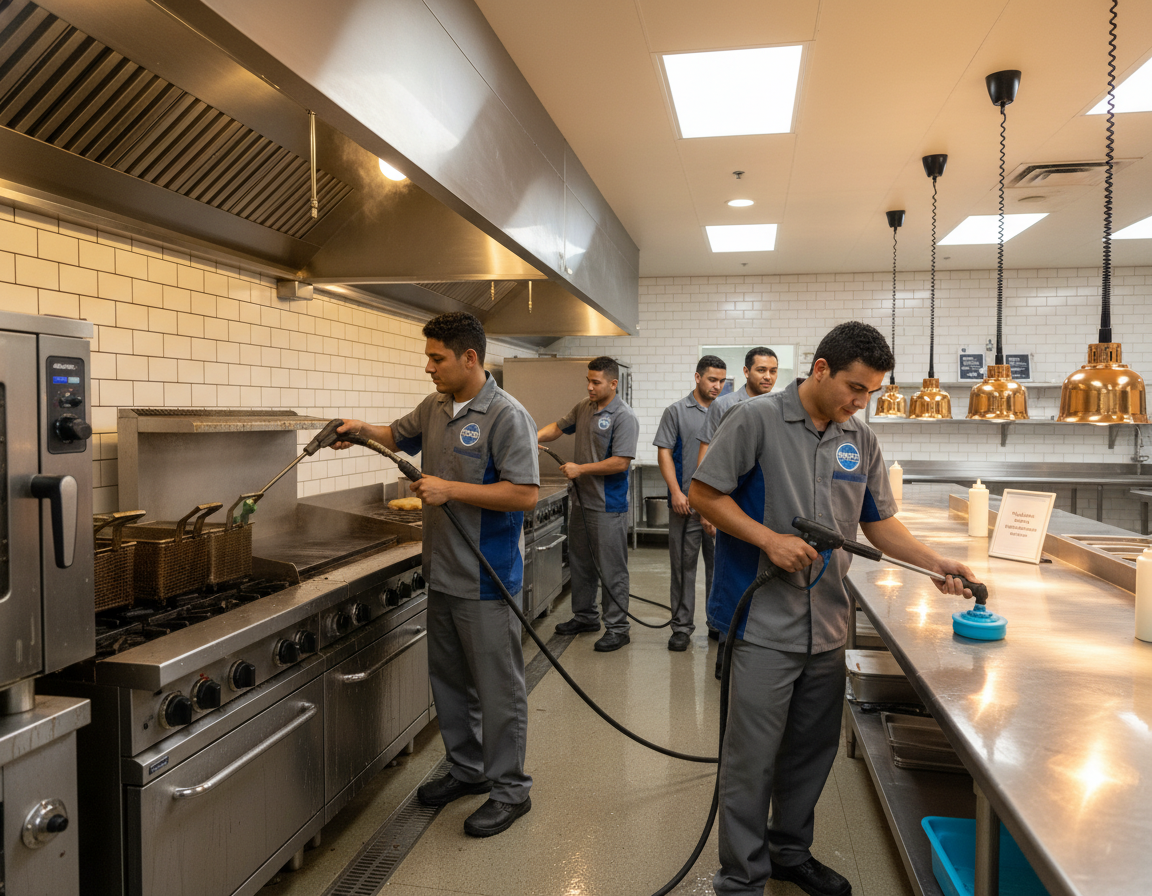
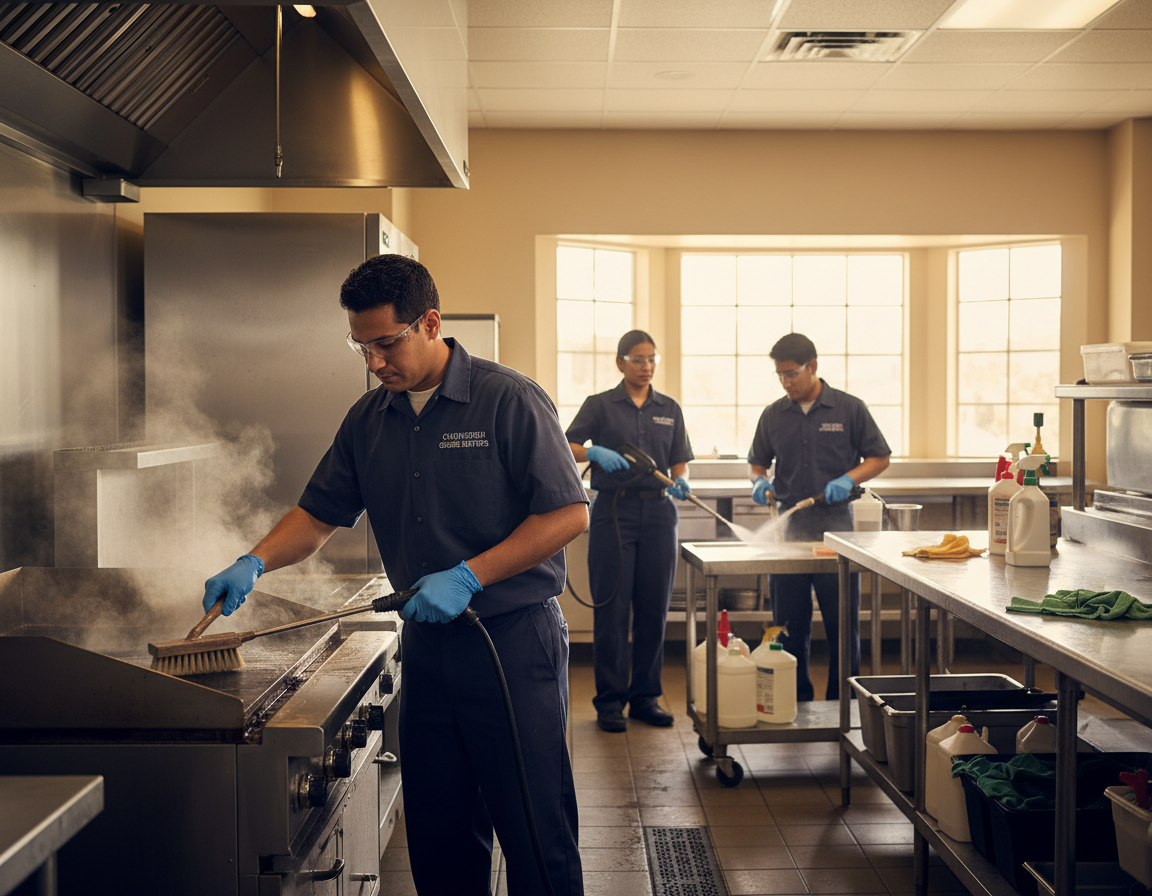
After repairs, the site is cleaned thoroughly. They then test the system to verify optimal performance before leaving.
This entire process reflects the company’s core values: understand before you act, and treat every customer like family. The result is a reliable, long-term solution that keeps a kitchen’s plumbing running smoothly.
Why Choose Grease Cleaning Pros For Your Repair Needs
Trust sits at the core of any service relationship, especially when it affects the heart of your business—the kitchen. Picking the right partner for critical maintenance affects compliance, cash flow, and customer satisfaction.
Grease Cleaning Pros stands apart by offering more than a quick fix. They provide a comprehensive partnership built on professionalism, deep expertise, and a genuine commitment to your operational success.
Licensed And Insured Professionals
Every job begins with a base of protection and quality. The company’s team includes licensed, bonded, and insured master plumbers.
This isn’t “just paperwork”. It is a promise of accountability and skilled workmanship.
Clients are protected from liability. They gain confidence knowing their property and plumbing are in expert hands.
This level of professionalism is critical for commercial projects. It helps ensure all work meets strict industry and local code standards from the beginning.
Years Of Experience In Commercial Kitchens
Technical skill is multiplied by hands-on experience. The plumbers at Grease Cleaning Pros possess extensive hands-on experience specifically in commercial kitchen environments.
They understand the pressures of a busy restaurant. They know how high-volume cooking impacts plumbing systems.
This experience enables fast, accurate diagnosis. They don’t just spot a clog; they understand the workflow that caused it.
Their team-based approach means they collaborate on the best solution. They apply collective expertise to ensure success even with difficult challenges.
“We treat every client like family, which means honest communication and respectful service from the first call,” according to a company master plumber.
That philosophy leads to transparent pricing and clear explanations. Business owners value that straightforward partnership.
Commitment To Minimal Business Disruption
In food service, time is money. The company’s process is designed to fit your schedule, not disrupt it.
They prioritize minimizing impact on daily operations. Repairs are often scheduled off-hours or planned to keep kitchens functional.
Their crew works quickly and efficiently to get your systems back online. This focus on limiting downtime protects revenue and reputation.
Their deep familiarity with local codes, like Georgia’s F.O.G. regulations, is another key advantage. Choosing a provider familiar with these rules helps avoid costly compliance problems.
Being involved with groups like the Georgia F.O.G. Alliance and the Georgia Restaurant Association shows commitment to the sector. They’re committed to supporting Atlanta’s food service community long-term.
Ultimately, choosing Grease Cleaning Pros means choosing a single, trusted provider for all your grease management needs. From emergency repairs to routine maintenance, they provide convenient, reliable solutions.
They become a long-term partner committed to keeping your business operating smoothly for years.
Commercial Grease Trap Installation And Replacement
Grease Cleaning Pros extends expertise beyond repairs into professional installation and replacement services. Sometimes, a unit is beyond saving, or a new kitchen needs a fresh start. The company handles these major projects with the same precision and care as their maintenance work.
They operate as a full-service provider for Atlanta’s food service sector. This means they can support the entire lifecycle of your FOG management system.
When To Consider Replacement Over Repair
There’s a point where repeated fixes cost more than installing a new unit. An old, failing separator or a brand-new kitchen build-out are common scenarios. A full replacement is often a strategic decision that improves long-term efficiency.
Clear indicators can show replacement is the smarter move:
- Repeated Failures: If the same problem keeps happening after multiple service calls.
- Extensive Corrosion: When the tank or components are heavily rusted or degraded.
- Outdated Design: Older models may not meet current efficiency or code standards.
- Changed Kitchen Volume: A remodel or menu shift might require a different capacity.
Recognizing these signs early can help you avoid emergency situations. It allows for planned, budget-friendly upgrades.
Proper Sizing And Code Compliance
Getting the size right is the most critical step in any new setup. If the unit is undersized, it will fail quickly; if oversized, it wastes resources. Grease Cleaning Pros are experts at determining the right capacity for any Atlanta business.
Their sizing is based on a detailed assessment. They evaluate the number and type of fixtures, peak wastewater flow rates, and local code mandates.
“We are experts at determining proper grease trap sizing in Atlanta,” according to a company master plumber. “This ensures effective FOG capture from day one.”
This meticulous approach guarantees the new interceptor will work as intended. It also ensures compliance with Atlanta and Georgia F.O.G. regulations from the beginning.
Seamless Installation Services
The company’s installation service is built for minimal hassle. They manage everything from the first permit through final inspection. This turnkey approach lets kitchen owners focus on their daily operations.
This includes obtaining necessary permits from local authorities. For in-ground concrete interceptors, excavation is handled carefully. Precise plumbing connections are made to integrate the new device seamlessly.
Grease Cleaning Pros installs all types of grease interceptors. They handle compact under-sink models for tight spaces as well as large pre-cast concrete units for high-volume operations. Their technicians are certified and well-versed in local code requirements.
They understand that kitchen projects can be disruptive. The team commits to working around the restaurant’s schedule whenever possible. The goal is to keep the business open and minimize lost revenue.
As a one-stop provider, they handle the entire job. This includes removing the old unit safely, delivering the new one, professional setup, and startup testing. You get one point of contact and one team responsible for the entire job.
Investing in a professionally installed, correctly sized separator is a wise long-term decision. It helps prevent future issues, protects your plumbing, and helps maintain compliance. It provides a strong foundation for a kitchen that runs smoothly.
Preventative Maintenance To Avoid Costly Repairs
Shifting from reactive fixes to a planned maintenance routine transforms a potential liability into a reliable asset. Proactive maintenance is a smart business practice for managing a kitchen’s wastewater system.
Grease Cleaning Pros promotes this approach. They help Atlanta owners view regular care not as a cost, but as an investment.
Regular upkeep prevents small problems from escalating into big failures. It is the most cost-effective path to long-term operational smoothness.
Regular Pumping And Cleaning Schedules
The cornerstone of any effective plan is a consistent schedule for pumping and cleaning. The frequency depends on the interceptor’s size and the kitchen’s volume.
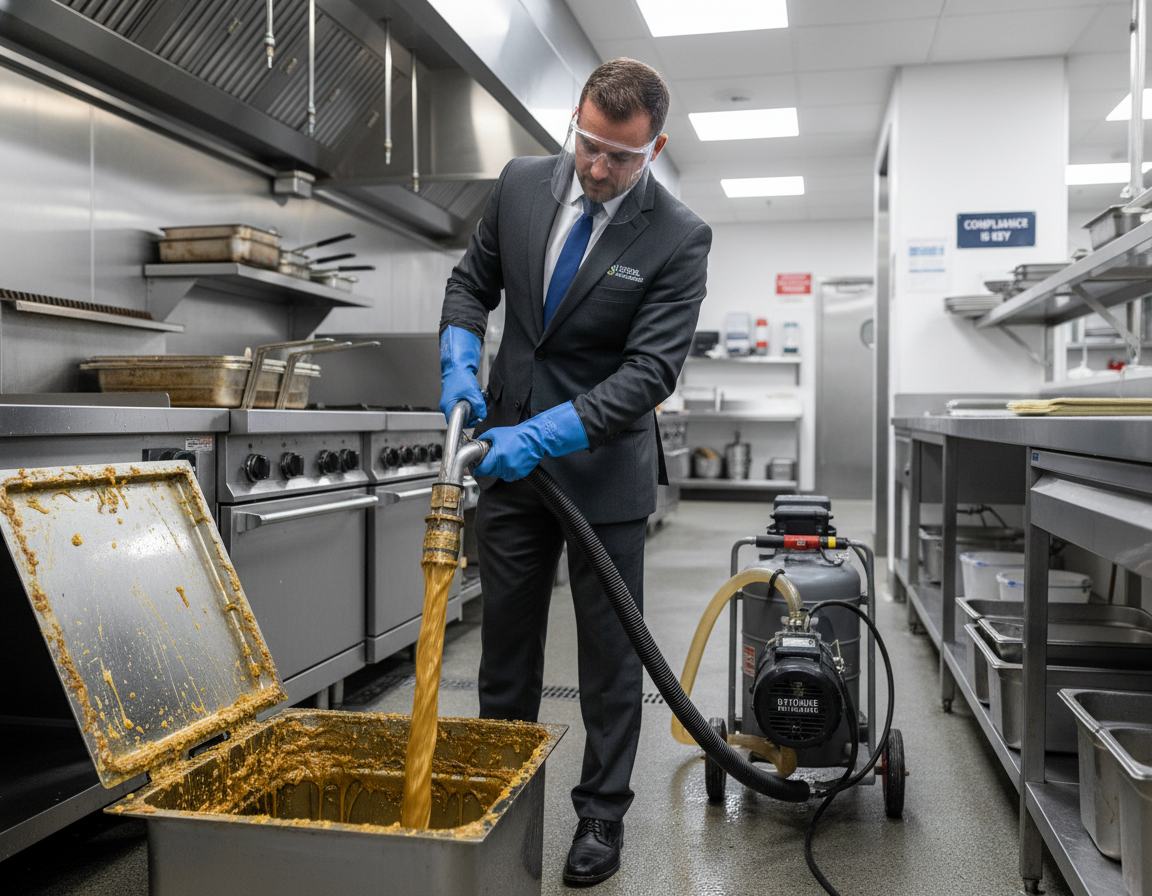
For a busy restaurant, this service is typically needed every one to three months. A technician arrives to perform a thorough evacuation of the unit.
They remove accumulated fats, oils, and grease (FOG) plus any settled solids. Interior walls and baffles are scrubbed clean.
This process helps return full capacity and efficiency to the separator. It also includes a quick inspection for early signs of damage or wear.
This regular attention is the first line of defense against clogs and backups. It helps keep the plumbing network flowing freely.
Monitoring FOG Levels
Between professional visits, ongoing monitoring is important. Staff play a key role in keeping grease management on track.
Training teams on best practices reduces improper grease discharge into drains. Simple actions make a big difference.
Thoroughly scraping plates before washing is essential. Collecting used cooking oil in dedicated containers instead of pouring it down the sink is another critical step.
Grease Cleaning Pros can provide training and reminders for staff. This partnership helps maintain lower FOG levels in the system.
It extends the time between required pump-outs and improves overall kitchen hygiene. A little awareness can prevent a lot of trouble.
Long-Term Maintenance Plans
To simplify maintenance, Grease Cleaning Pros provides structured long-term plans. These agreements provide scheduled service visits at a predictable cost.
Clients get priority response and detailed service records. These logs are invaluable during health department inspections.
“A maintenance plan is affordable insurance for your kitchen’s sanitation and compliance,” notes a company expert.
Regular care delivers real business benefits. It helps avoid expensive emergency calls and reduces the risk of foul odors.
It significantly extends the interceptor’s service life. Most importantly, it supports ongoing code compliance with local F.O.G. regulations.
Skipping this care can lead to severe outcomes. Sewer line blockages can lead to city fines and mandatory, costly cleanups.
The company’s comprehensive approach includes related services that complement this core maintenance. Used cooking oil collection and drain line jetting are part of a holistic kitchen hygiene strategy.
Grease Cleaning Pros goes beyond repairs. They partner with businesses to create proactive routines that protect investments and reputations.
For any food service operation, a maintenance agreement is a smart choice. It safeguards the smooth and sanitary daily function of the kitchen.
Serving The Atlanta Area With Reliable Service
For Atlanta food service operators, a partner who understands the local landscape is invaluable. Grease Cleaning Pros is that partner. They are a locally owned and operated business with deep roots and extensive experience across the entire Metro Atlanta region.
They understand local neighborhoods, common challenges, and the specific codes that regulate commercial kitchens. This local approach translates to faster and more effective solutions for every client.
Local Expertise In Metro Atlanta
The company’s plumbers live and work in the communities they serve. This gives them firsthand knowledge of area-specific plumbing codes and sewer district rules.
They understand unique issues that restaurants face across different parts of the city. Quick response is a hallmark of their operation.
Related: How to Choose a Provider for Grease Trap Cleaning in Pomona

 Sanitary Fitting Suppliers