Dynamic Optimization For High-Growth Small Businesses

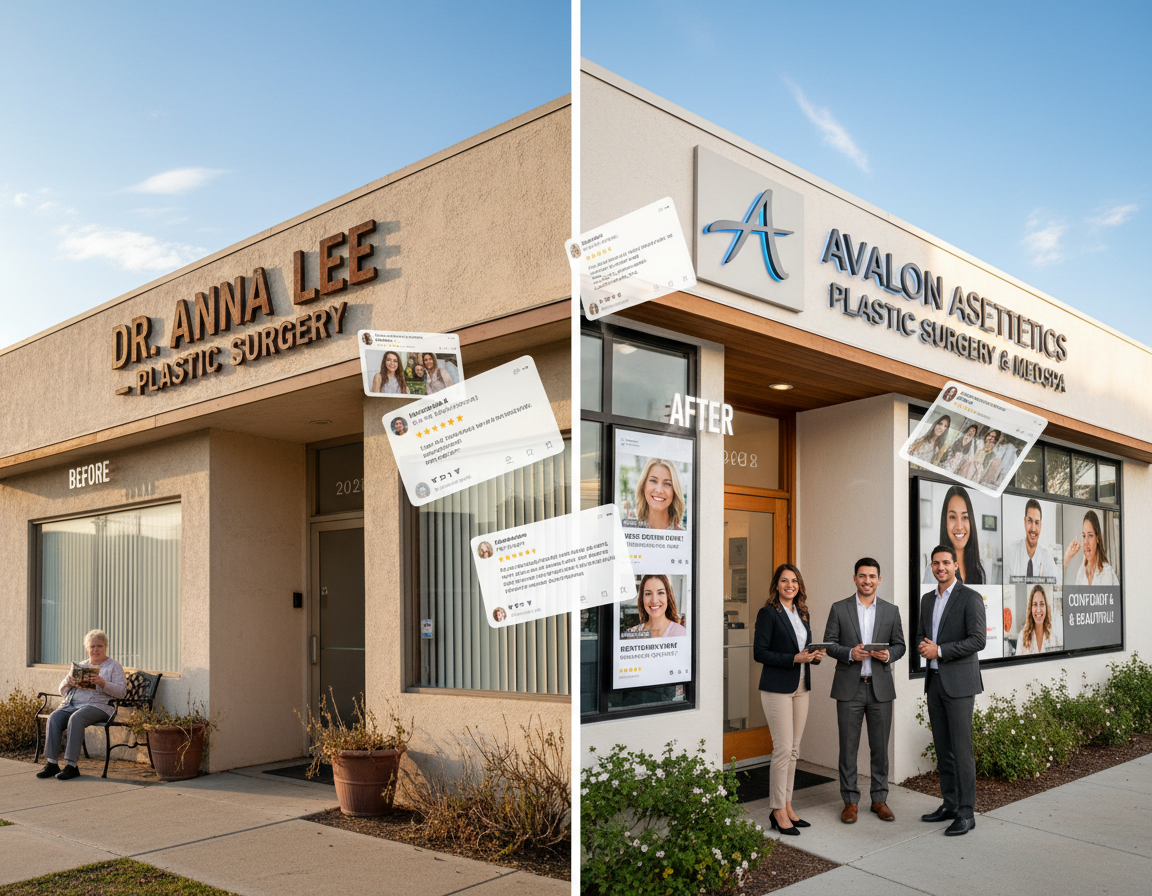
A cleaning business in New York City saw its monthly income jump from $50,000 to $100,000. That surge came from a focused local SEO strategy which brought in nearly 4,000 organic users and more than 240 conversions in only a few months.

Long-Term SEO Growth Strategies For Small Companies
Today, search visibility is essential for walk-in traffic and online sales at cafes, startups, and boutique stores. Owners of small companies need SEO services that produce genuine growth, not merely better rankings on paper.

Fully managed local SEO services commonly include Google Business Profile optimization and on-page and site-level technical fixes. They also cover citation building, review management, and local link building. Service providers regularly cite significant gains, such as up to 98% organic traffic growth and major revenue increases in as little as six months.

Industry research shows that small businesses value suitability, content quality, fair pricing, and founder-led service. Firms like Thrive Internet Marketing Agency, Victorious, Searchbloom, Sure Oak, and Boostability are widely known for their small business SEO services and local strategies.

This overview provides practical SEO services for local businesses. It includes realistic pricing, expected timelines, and clear guidance. It also highlights marketing 1on1 as a specialist partner for fully managed local SEO and scalable solutions in the U.S.

Why SEO Counts For Local And Small Companies In 2026

The 2026 search environment is increasingly a blend of traditional organic listings and AI-driven discovery. Small business owners must adjust to customers using high-intent phrases and generative models for recommendations. To stay competitive, local firms need to capture both direct search clicks and referrals from large language models.

Search behavior and discovery shaped by intent

Searchers now use more conversational, purpose-led queries when searching for services. As a result, keywords should reflect intent, not simply product names. If companies optimize content for inquiry types and featured-answer formats, they increase their likelihood of appearing in AI summaries and organic results.

Small teams that want growth should map queries to local landing pages, Google Business Profile signals, and FAQ content. This approach helps boost visibility online and aligns with how users actually search.

Measurable growth, transparency and scalability

Service providers have to demonstrate results beyond rank tracking. Business owners want to see revenue, phone calls, bookings, and walk-ins so SEO work can be tied to the bottom line. Reporting should mirror business KPIs so owners can see measurable SEO growth for small business campaigns.

Work with partners who show conversion lifts and can expand efforts during busy seasons. Clear dashboards and regular updates build trust and make it easier to decide when to increase spend.

How local SEO differs from enterprise SEO

At its core, local SEO emphasizes Google Business Profile health, citations, and location signals. Large-scale SEO usually targets broad authority and large content systems. Local work centers on geographic relevance, spam protection, and local conversion metrics such as calls and visits.
Small Business SEO Services

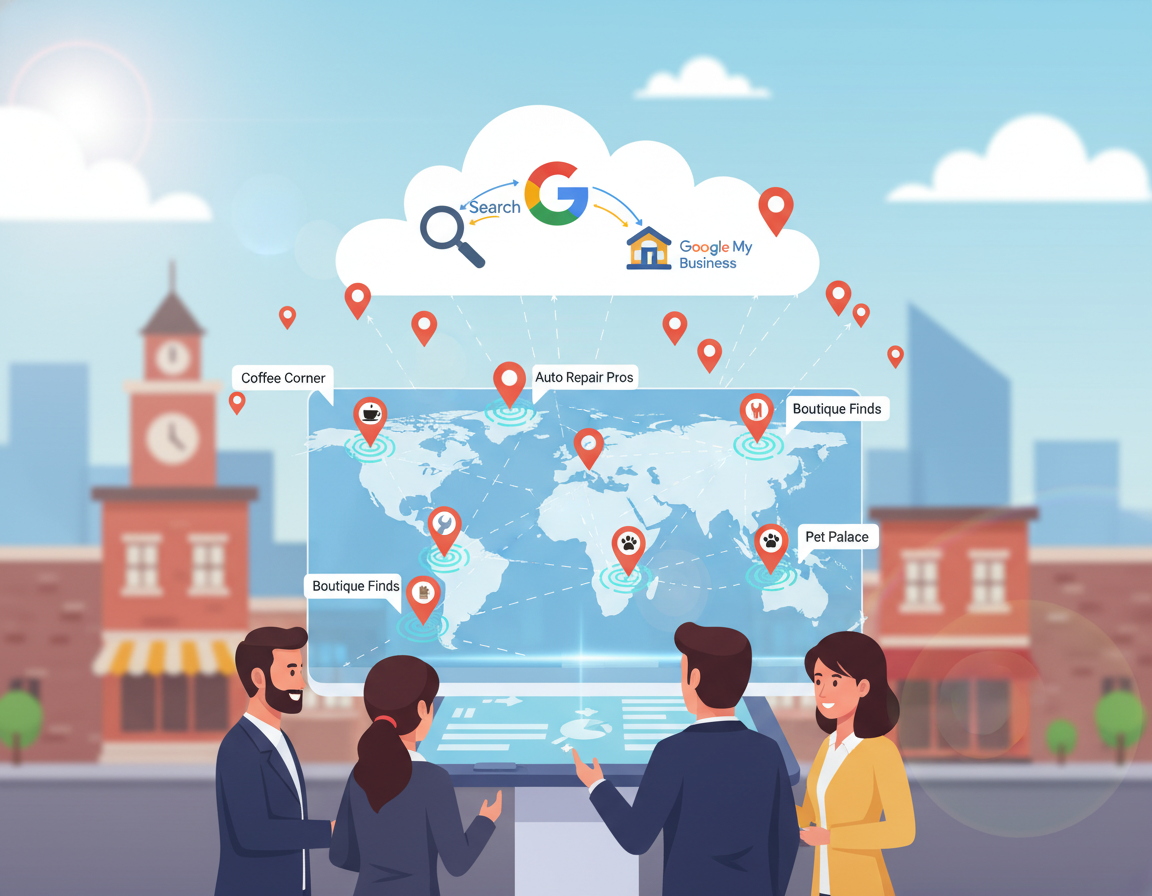
For local companies, the priority is a strong website paired with GBP visibility. That dual focus keeps budgets efficient while building online trust and helping raise the online visibility of your small business.

Main Focus Local SEO Priority Large-Scale SEO Focus
Core Signals Google Business Profile, citations, and local on-page intent Authority signals, large content ecosystems, and backlink volume
Key Conversion Metrics Calls, bookings, walk-ins, local transactions Lead generation, form fills, and enterprise sales cycles
Scalability Modular packages that scale with seasonality and demand Global campaigns with cross-market coordination
Spam & Protection Citation cleanup, GBP spam monitoring, review management Brand defense and enterprise reputation systems
Top Immediate Actions Intent-focused keyword mapping, GBP optimization, and tracking Content ecosystems, technical site architecture, authority building

Practical next steps include prioritizing intent-driven keywords, tightening GBP data, and setting up conversion tracking. That combination helps improve online visibility for your small business while delivering measurable SEO growth for small business owners who want scalable results.

Common Local SEO Services Small Businesses Require

Local businesses need targeted services to boost visibility, trust, and conversions in their markets. A strong local SEO plan begins with a thorough audit and immediate fixes for pressing issues. Many agencies fold these into a six-month roadmap designed for both quick wins and steady growth.

Optimizing Google Business Profile is often a top priority. A complete GBP configuration includes the right category, accurate hours, detailed services, fresh photos, and routine posts. Spam monitoring and ongoing profile reviews are also critical for keeping listings visible. For some cleaning companies, local cleanup and precise targeting restored top rankings and doubled revenue.

On-site and technical work fixes slow pages, mobile issues, and crawlability errors. Content and technical SEO for small businesses includes structured data, localized service pages, and blog overhauls. A proper audit can expose quick wins for site speed and mobile-first design, helping lift organic traffic and map-pack visibility.

Citations, listings, and review management strengthen local presence. Keeping NAP details consistent across directories and targeted citation sources helps search engines trust the business. These citation efforts plus review management blend listing accuracy with proactive review acquisition and timely feedback responses.

Local links and community content improve community relevance and rankings. Community partnerships, local PR, and neighborhood-focused articles generate authoritative mentions. Locally focused service pages and community content boost small business SEO by improving topical relevance and driving referral traffic.

SEO Service Primary Tasks Short-Term Benefit 6-Month Outcome
Google Business Profile setup Category choice, business hours, posts, and spam protection Better local visibility Higher map-pack rankings and clicks
Small-business content and technical SEO Site speed, mobile UX, schema, and localized pages Quicker pages and reduced crawl errors Increased organic traffic and conversions
Citation building, listings, review management NAP cleanup, directory targeting, and review follow-up Stronger listing accuracy Stronger trust signals and improved rankings
Community link building and content Community outreach, local PR, and neighborhood posts More referral traffic Improved authority and better local relevance

SEO Services For Local And Small Companies

Small local firms need clear service options, honest pricing, and measurable milestones. This section explains core deliverables, common pricing models, and realistic benchmarks. This helps owners choose small business SEO packages that deliver results on limited budgets.

Core Packages And Deliverables You Should Expect

A standard fully managed local SEO package includes Google Business Profile management, on-site technical fixes, and targeted content creation. It usually also includes citation management, review strategies, and local link building. Reporting should include keyword tracking, GBP performance metrics, and backlink logs.

Many agencies include a monthly content calendar, a dedicated account manager, and Google Analytics plus Search Console summaries. Providers that combine web design or PPC can generate faster recoveries in visibility and conversions.

Pricing Models And What Is Realistic For Small Budgets

Pricing ranges from fixed low-cost packages to premium, content-heavy programs. Providers like SEOValley and Boostability offer economical services, while Blue Corona and First Page Sage provide higher-tier offerings. Smaller firms should seek affordable SEO for small businesses that avoid hidden fees and clearly list the monthly rate.

When full-service managed local SEO is included, an open monthly rate usually sits around $1,000 to $1,500 on a 12-month commitment. Compare local SEO pricing against deliverables so you judge value, not just the sticker price.

Benchmarks And Timelines For Performance

Initial visibility lifts are often measurable within weeks, with stronger organic growth by three to six months. Typical early wins include increased GBP views, keyword movement, and more local sessions.

Strong campaigns often report measurable gains in organic users, sessions, and conversions over a 3–6 month window. Published case studies highlight outcomes ranging from modest improvement to dramatic growth, including near-doubling of monthly revenue in some managed local SEO programs.

Package Level Typical Monthly Price Core Deliverables Expected Timeline For Results
Entry $499 to $899 Profile setup, basic on-page fixes, citation work, and a monthly report Visible movement in 4–8 weeks, better gains by month 3
Standard Tier $1,000–$1,499 per month Complete GBP management, technical SEO, content planning, review strategy, and backlink logs Clear growth in 6–12 weeks, solid results within 3–6 months
Advanced $1,500–$3,500 or more Custom content, regional link building, conversion rate optimization, dedicated strategist Faster gains in 4–8 weeks, substantial revenue impact by 3–6 months

When comparing SEO packages for small companies, focus on deliverables and past outcomes, not just the brand name. The best small business SEO packages that deliver results pair realistic timelines with clear reporting and measurable KPIs. For owners watching spend closely, prioritize affordable SEO for small businesses that list pricing for local SEO services and provide a clear path to scale.

How To Choose A Professional Small Business SEO Company

Selecting the right SEO company begins with understanding whether the firm fits your business. Seek a company experienced with small budgets, clear pricing, and founder-led service. A strong partner should outline a straightforward onboarding process covering the first 90 to 180 days of work.

Review case studies with quantifiable results. Reliable agencies will share data on traffic, calls, and revenue growth from prior clients. For example, Thrive’s work with a New York cleaning service produced strong traffic gains and doubled monthly revenue, helping validate the agency’s claims.

Small-Business Suitability And Pricing Fairness

Verify that the provider offers packages suited to small budgets. Firms like SEOValley and Boostability, for instance, offer affordable plans that can grow with the business. Their pricing needs to be clear, with goals tied to measurable outcomes such as calls, bookings, and revenue.

Content quality, reporting, and founder-led culture

Assess the quality of their content and reporting style. Request a Google Analytics or Search Console export and a simple monthly report template. A founder-led or small-team agency often provide more personal service. Level Agency and First Page Sage are often praised for direct engagement.

Case Studies And Measurable Outcomes

Look for case studies showing organic user growth, keyword improvements, and conversion metrics. Ensure the agency has local SEO experience, including Google Business Profile management and local link building. Providers with a track record of measurable performance are more likely to meet your goals.

During vendor calls, use a checklist to evaluate the offer. Prioritize a detailed audit, a tailored six-month plan, and regular reporting. Be sure to confirm who your main contact will be and how often updates will be provided.

When it is hard to find dependable SEO help, ask for recommendations and consider a boutique agency. Prioritize firms that offer SEO consulting and specialize in small business success so the strategy aligns with your goals.

Affordable And Scalable SEO Solutions For Businesses That Are Growing

Businesses entering a growth phase need cost-effective strategies that generate tangible results. An effective starting point is improving Google Business Profile, targeting focused keywords, and securing local citations. That approach aligns well with affordable SEO services designed for startups that want traction before expanding spend.

Effective SEO for small businesses relies on content templates, streamlined workflows, and managed local SEO. These methods allow businesses to tap into local search and improve conversions without overspending. Agencies serving small budgets often bundle these tactics into cost-effective starter plans.

When growth begins to accelerate, SEO strategies usually evolve from local efforts into technical and regional campaigns. Before expanding scope, set ROI benchmarks such as cost-per-acquisition targets. Next, choose packages with modular add-ons so upgrades remain smooth and measurable.

Automation and SEO tools can streamline research and production while keeping human oversight in place. Performance dashboards and scoring systems track content, technical progress, and Google Business Profile performance. That makes outcomes more predictable for affordable SEO services built for smaller budgets.

Start with the essentials, measure progress with clear metrics, and scale based on keyword and conversion performance. This method supports SEO services for small businesses on a budget while creating room for more advanced campaigns later, without unnecessary expense.

Local And National SEO Strategies Tailored For Small Company Growth

Small companies need a strategy that combines local traction with national scalability. Begin by improving Google Business Profile, service-area pages, and localized on-page elements for map pack visibility. Back that up with citation building and local link outreach, while closely tracking GBP KPIs and organic conversions.

Once conversions from broader search terms stabilize, scale content and technical SEO with care. Prior to scaling regionally, review search volume, conversion rates, and budget fit. Regional growth for micro-enterprises only makes sense when demand and spend are aligned.

Aim for a balance between immediate visibility and long-term growth. Often, companies test PPC for priority terms while organic visibility matures. This short-term paid traffic can validate geographic targeting and help fund future content expansion. Monitor cost-per-lead to decide when extra SEO investment makes sense.

During expansion, reputation management becomes even more important. Keep citations accurate and review workflows active to preserve trust in core markets. Use review signals and conversion data which regions deserve dedicated pages.

SEO performs better when paired with PPC and CRO. Use A/B testing on landing pages used by both paid and organic traffic. Use what you learn into content and technical updates. Level Agency and Focus Digital often report better conversion performance when these channels are integrated.

Useful next moves are setting clear GBP and organic KPIs, testing paid search for high-intent queries, and scaling regional content only after demand is validated. Keep local link outreach active while building broader authority through content and technical improvements. That balanced approach supports steady growth without sacrificing local rankings.

Proof And Results: What Good Small Business SEO Looks Like

Good SEO for small businesses is about measurable, steady progress. The earliest signs appear in search visibility, phone calls, and local visits. Simple metrics help teams and owners track progress without jargon.

Key Metrics For Measuring Success

Track organic users, sessions, conversions, and revenue to quantify returns. You should also track local calls and in-person visits as direct outcomes. It also helps to monitor referral traffic from LLM-driven channels to capture AI discovery gains.

Compare month-over-month and year-over-year performance. Rely on simple dashboards that combine Google Analytics, Search Console, and Google Business Profile data. Local SEO reporting should be clear, visual, and easy to understand.

Real-World Outcomes And Case Studies

Case studies show what is possible. For one cleaning client, targeted local SEO delivered +3,985 organic users, +4,805 organic sessions, and +246 organic conversions. After GBP optimization and on-site conversion work, monthly revenue doubled.

Agencies investing in AI SEO are also reporting growth in referral traffic from generative models. Those changes matter for companies aiming to boost organic traffic for small business websites and adopt small business SEO services that increase leads and traffic.

Reporting Cadence And Client Communication

Business owners benefit from monthly, jargon-free dashboards. Good reports should cover Google Analytics data, Search Console trends, GBP visibility, citation status, and review metrics. Dedicated account managers should also provide concise summaries and next-step action plans.

Regular touchpoints let owners ask questions and see proof of small business SEO results in real business terms. When teams report consistently on local SEO performance, trust grows and decisions become easier.

Working With Marketing 1on1: A Trusted Small Business SEO Company

Marketing 1on1 specializes in practical, results-driven local SEO for small and local businesses in the United States. They combine Google Business Profile optimization with website improvements, citation management, review management, and link building. That mix is aimed at lifting calls and bookings. Businesses get a customized six-month strategy, a detailed audit, and monthly updates from a dedicated account manager.

About Marketing 1on1 And Service Focus

Marketing 1on1 provides fully managed local programs covering the five core pillars of local search. They start with a discovery call and a thorough audit. From there, the team builds a six-month plan centered on Google Business Profile optimization and website improvements to raise visibility.

The agency provides transparent proposals with no hidden setup fees. Pricing is commonly around $1,299 per month for fully managed local SEO on a 12-month engagement. Additional options can include more citation volume and specialist directory work.

Why Small Businesses Choose Marketing 1on1

Many owners select marketing 1on1 for clear reporting and measurable outcomes. The team uses Google Analytics and Search Console data explained in simple language. Marketing 1on1 functions like an extension of the client team, with in-house specialists focused on execution.

Its small-business focus includes locally oriented tactics that scale with company growth. Combining GBP optimization with website work, the agency aims to generate real gains in calls, bookings, and revenue through marketing 1on1’s small business SEO services.

How To Get Started With Marketing 1on1

To start, request a discovery call and a tailored audit. Their onboarding covers a prioritized list of local and technical fixes, a clear communication schedule, and monthly progress reviews. Prospects receive a transparent proposal outlining deliverables, timelines, and optional add-ons.

If you want to boost customer acquisition with small business SEO, marketing1on1 offers a structured approach: discovery, audit, strategy, execution, and ongoing measurement. This consistent process helps make marketing 1on1 a trusted option for many local businesses.

Conclusion

SEO remains essential for small and local businesses in 2026. The right mix of Google Business Profile visibility, strong website pages, targeted content, and local authority building. The best agency partners provide transparent reporting, scalable plans, and founder-led attention, making them a strong fit for limited budgets and high accountability.

Begin with the local SEO basics: optimize GBP, fix technical issues, build citations, and publish useful content. Measure performance over a 3–6 month window and use conversion data to decide when expansion makes sense. Doing this helps small businesses rank higher in search results while keeping investment aligned with results.

When fully managed local SEO packages are executed consistently produce meaningful traffic and revenue growth. Clear onboarding built around discovery, audit, a six-month plan, and monthly reporting supports result-oriented optimization. This helps business owners build a strong online presence with small business SEO.

If a U.S.-based local company wants a measurable SEO partner, consider a professional firm like Marketing 1on1. They provide tailored local SEO and scalable search strategies. Its focus on ROI, transparent metrics, and hands-on implementation helps teams build long-term momentum and rank higher in search results as a small business.

Related: Small-Scale Projects: Residential Land Clearing in Weatherford TX for Homeowners
Business Expansion Strategies For Nursing Homes

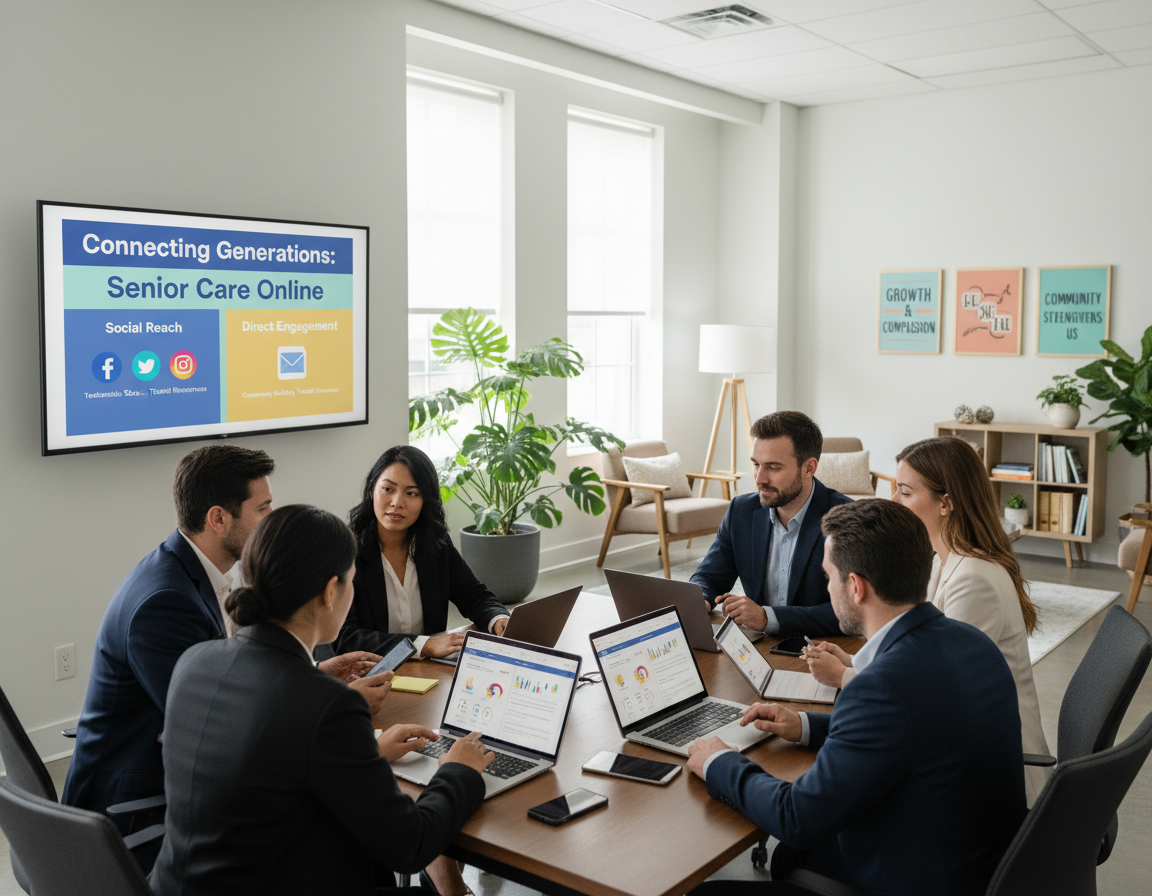
More than 54 million Americans who are 65 and older now live in the United States, and the country is undergoing a major demographic change. By 2050, that total is projected to rise to almost 88.5 million. Businesses focused on digital expansion in senior care are strategically placed to capture a larger share of this market. They can attract more clients, recruit caregivers, and grow revenue with greater efficiency.

Marketing 1on1 Senior Care SEO Specialists
Several critical elements are required to build an effective online presence for senior care. Among them are high-converting web design, strong local search visibility, and paid acquisition. Reputation management and automated lead follow-up are also critical. Using Google Ads, targeted SEO, and listings on sites like Caring.com and SeniorAdvisor.com can help turn searchers into callers. Digital tools can also strengthen referral networks with hospitals and discharge planners.

Quick client acquisition and long-term brand building should be pursued together. Franchise programs and agencies frequently provide bundled solutions that include web design, SEO, paid ads, and social media. They may also include lead nurturing and monthly reporting. Such packages allow new home care businesses to launch quickly while building a solid foundation for long-term growth.

  • The expanding senior population creates a lasting market for care services.
  • To Grow Your Senior Care Business Online, combine short-term wins with long-term digital strategies.
  • Local listings and reputation platforms like Caring.com can drive fast leads.
  • Automation for lead follow-up and reporting helps improve both conversion rates and ROI.
  • A balance between paid acquisition and referral partnerships can create faster, steadier growth.

Why Digital Promotion Matters For Senior Care Providers

Providers in the senior care space face a unique mix of consistent demand and growing competition. With more than 54 million Americans age 65 and older today, and projections approaching 88.5 million by 2050, demand for services such as in-home care and memory care is expected to keep rising. Early adoption of digital marketing strategies gives providers long-term advantages in growth, visibility, and local market leadership.

Demographic Trends And Market Opportunity

The aging population creates a major opportunity for higher client lifetime value and steady referrals from families and healthcare partners. Independent agencies and franchises can take advantage of this trend, with CarePatrol reporting average annual gross revenue per territory of about $320,487. Building strong digital visibility early helps businesses prepare for long-term growth as the market continues to expand.

Marketing 1on1 Senior Care SEO Specialists

How Digital Visibility Increases Referrals And Revenue

Websites that convert effectively often become the primary source of qualified leads. According to Grow Senior Care Marketing, SEO, targeted ads, conversion-focused design, and automated nurturing can transform a website into a 24/7 lead-generation asset. A strong web presence can also be reinforced through listings on platforms like Caring.com and SeniorAdvisor.com, which may increase referrals.

Optimizing Google My Business can improve visibility in local searches, which often receive heavy click activity. When referrals are combined with stronger online visibility, businesses become less dependent on costly outbound tactics. This can shorten the path to booked care assessments and caregiver interviews.

Why Delaying Digital Marketing Creates Competitive Risk

Delaying SEO and reputation-building efforts can make future client acquisition significantly more expensive. Paid channels like Google Ads may deliver immediate traffic, but without review strategies and ongoing SEO, the cost per client often stays high. Because search engines and AI tools often prioritize top-ranked providers, acting early becomes even more important.

An early investment in online branding and visibility can reduce lifetime client acquisition costs. This strategy can build a more stable referral pipeline and help protect market share as the industry grows.

How To Grow Your Senior Care Business Online

Start with a strategy that balances fast wins with long-term growth. Use paid search, lead-generation platforms, and Google My Business setup to generate early momentum. At the same time, invest in local organic content and senior care SEO to build durable visibility.

An effective 7-step marketing program may include web design, SEO, advertising, social media, automation, referral networking, and reporting. This approach connects short-term paid campaigns with long-term conversion optimization. It can raise inbound lead volume while reducing cost per acquisition over time.

Your marketing should align closely with the services you provide, whether those include in-home care, memory care, or assisted living support. Franchises and providers with clinical experience often stand out because their marketing resonates more clearly with the audience’s concerns. That relevance helps build trust quickly.

How To Set Measurable Goals And KPIs

Set specific metrics so progress can be tracked accurately. Monitor organic rankings, Google My Business impressions, and Map Pack placement. Also monitor cost per lead on paid channels, monthly qualified leads, and booked care assessments.

Track conversion rates from site visits to appointments, caregiver recruitment inquiries, and monthly revenue by territory. Call tracking, analytics, and monthly reports are critical to this process. These systems help determine which tactics should be paused and which deserve greater investment.

Getting The Most Value From Agency Support

Bring in agency support for tasks that need scale or specialized marketing knowledge. Examples include technical SEO, paid search setup, conversion-optimized websites, automated appointment booking, and monthly reporting.

A strong agency onboarding process should include a custom blueprint, a prioritized keyword list, and a local domination plan. Home care-focused agencies frequently offer templates as well as referral outreach support to hospitals and assisted living communities. That can speed up results for online marketing for senior care businesses.

When in-house service expertise is combined with outside marketing knowledge, businesses create a more reliable system for growth. It allows you to Grow Your Senior Care Business Online while improving long-term ROI through strong senior care SEO strategies.

Optimize Your Senior Care Website Development For Conversions And SEO

A senior care website must do more than look attractive. It should motivate families to request caregiver interviews, call the office, or book assessments. Strong senior care website development emphasizes clear messaging, visible trust signals, and easy calls to action. It should also use visuals that communicate compassion, safety, and professionalism.

Senior Care Website Design For Better Conversions

Keep your contact methods and short booking form prominently visible. For mobile users, include click-to-call buttons. Display case studies, testimonials, and a clear service-area map to strengthen trust.

Highlight benefits such as flexible care terms, trusted caregivers, and greater independence. Use high-quality images and a clean layout that balances persuasion with clarity. You should also add trust marks and clear CTAs for caregiver interviews and care assessments.

Local Optimization And On-Page SEO

Optimize page titles and meta descriptions for terms such as “home care agency [city].” Create service-area pages and add schema markup to support accurate local information.

Integrate Google My Business listings, feature site reviews, and add your services to directories like Caring.com and SeniorAdvisor.com. These actions support optimizing your senior care business online and strengthen your senior care business branding online.

Improving Technical SEO And Site Speed

A mobile-first responsive layout, reliable hosting, and optimized images help ensure fast loading times. You should also implement structured data for service offerings and local business information to help search engines index the site properly.

From the beginning, implement analytics, conversion tracking, and monthly reporting. Monitor crawlability and page speed to protect both rankings and conversions. Proper technical SEO supports long-term optimizing your senior care business online and further strengthens your senior care business branding online.

Senior Care Marketing Channels That Actually Work Online

Choosing the right channels is essential for reaching and converting the right clients. This section explores practical channels that can improve online visibility for senior care and bring in stronger leads.

Using Google My Business For Local Search Visibility

Optimize your Google My Business profile so you appear in the Map Pack for searches like “home care agency near me.” Maintain accurate hours, categories, NAP details, and photos to improve local trust.

Respond to reviews and track your online reputation so your listings stay authoritative. Frequent updates and regular posts can help improve rankings and increase online visibility for senior care.

SEO Strategies For Senior Care Businesses

Long-term SEO investment should target local keywords and produce content designed for family caregivers. Link building through partnerships with senior centers and hospitals can also add value. Local landing pages improve relevance for city-level searches.

Add your services to directories like Caring.com and SeniorAdvisor.com, and encourage reviews to strengthen authority. As time passes, these strategies can reduce reliance on paid advertising and create a more consistent flow of organic leads.

Paid Advertising And Lead-Generation Platforms

Google Ads can deliver immediate visibility for high-intent searches. Use landing pages with strong trust signals and clear CTAs to improve conversion rates and lower cost per lead.

Lead-generation platforms like Caring.com can offer additional exposure through paid listings. When ads are combined with automated lead nurturing, clicks are more likely to turn into scheduled assessments with less manual work.

Using Social Media And Community Engagement

Social media platforms are valuable for reaching adult children researching care options as well as potential caregivers. Posting short videos, event invites, and client stories helps showcase services and build trust.

Promote caregiver tips, workshops, and local community events to strengthen local relationships. This strategy supports both recruitment and client acquisition while improving your online marketing for senior care businesses.

Channel Main Benefit Fast Action
Google My Business Map Pack placement and local prominence Verify the listing, update NAP, add photos, and post weekly
Organic SEO Long-term lead generation at a lower cost Create local pages, publish caregiver resources, and build local backlinks
Search Advertising Fast visibility for high-intent searches Bid on high-intent terms and improve landing page conversions
Referral Listing Platforms Targeted referrals and better exposure Use paid listings on Caring.com or SeniorAdvisor.com and track CPL
Community Social Channels Brand trust and community engagement Share caregiver resources, event posts, and short videos

Scaling Growth Through Partnerships, Reputation, And Lead Nurturing

In senior care, growth in trust and referrals depends heavily on relationship-building and reliable follow-up. Build a strategy that combines outreach to clinical partners with review management and automated nurturing. This method supports a stronger online presence for senior care and delivers a steadier flow of qualified leads to your intake team.

Creating Healthcare Referral Partnerships

Start by identifying local hospitals, outpatient rehab centers, hospice programs, skilled nursing facilities, and VA-related services. Agencies can then reach out to discharge planners, occupational therapists, and social workers on your behalf. That outreach often opens new referral opportunities.

Partnering with adult day programs, assisted living communities, and disease-specific organizations can expand your visibility even further. These partnerships make optimizing your senior care business online more effective because they diversify lead sources.

How To Collect And Promote Reviews Online

Before choosing a senior care provider, most families rely on several reviews. Reputation management and review monitoring tools can be used to request feedback after assessments and visits. Feature those reviews on your website, Google Business Profile, and lead-generation listings to increase trust.

Respond to every comment promptly and professionally. High ratings strengthen local search rankings and reinforce your senior care business branding online. They also make it easier for families to compare providers confidently.

Automating Lead Nurturing And Appointment Booking

Automation can move incoming inquiries toward booked assessments without constant staff intervention. SMS reminders, email sequences, and calendar integrations can confirm appointments, deliver intake forms, and remind families about visits.

Prompt follow-up helps reduce lead leakage and shorten the path to conversion. Automation like this is essential for optimizing your senior care business online because it converts interest into scheduled care while saving staff time.

Educational Events And Community Outreach

Host workshops at libraries, senior centers, and faith-based venues on topics such as memory care strategies, nutrition, and caregiver support. Partnering with AARP chapters or local hospitals can make these events even more effective.

Workshops like these strengthen local credibility and often create referral opportunities. You can repurpose recordings and event summaries into digital content that reinforces your senior care business branding online. Over time, this also helps maintain an effective online presence for senior care.

Closing Summary

The rapidly expanding senior population in the U.S. creates a substantial opportunity for care providers and agencies. By choosing strategies to Grow Your Senior Care Business Online now, businesses can capture rising demand. This also helps reduce future acquisition costs while building long-term revenue through a steady stream of referrals.

The most effective digital marketing for senior care businesses combines immediate gains with lasting tactics. Generate quick inquiries through lead-gen platforms and Google Ads. At the same time, continue investing in review management, conversion-focused web design, and senior care SEO strategies. These efforts build sustainable traffic and improve conversion performance over time.

Begin with practical moves like optimizing Google My Business, improving directory listings, collecting reviews, and running targeted paid campaigns. Form local referral partnerships with clinics and hospitals. Implement automated lead nurturing and appointment booking so interest turns into booked assessments. You may also benefit from partnering with a specialist agency such as Marketing 1 On 1 for tailored web design, SEO, automation, ad management, and monthly reporting. That type of partnership can speed up measurable results.

Acting now helps prevent competitors from capturing local market share and positions your organization as the trusted provider families choose when care is needed. A balanced and measurable online marketing strategy for senior care businesses creates more predictable client flow and scalable growth for years to come.

SEO Strategies For Kitchen And Bath Remodelers

Most homeowners now check the internet before calling a contractor. This behavior shift makes Local SEO For Remodeling Contractors a major part of winning local projects. When your remodeling websites and Google Business Profile show up in the map pack, nearby homeowners are much more likely to call and ask for estimates.

Attract More Remodeling Leads Online
Local SEO helps remodeling companies show up where prospects look first: Google Maps and local search results. Clear NAP details, real reviews, and area-specific pages tell search engines who you are, what services you offer, and where you work. These signals strengthen remodeling company SEO and increase click-throughs from local queries.

This guide from Marketing 1 On 1 (www.marketing1on1.com) lays out local SEO into practical steps. You will find practical actions and examples to attract nearby clients, improve map rankings, and convert search traffic into booked projects. Use this roadmap to begin improving search visibility for service pages and project galleries across your site.

Why Local SEO Matters For Remodeling Contractors

Homeowners looking for remodeling services often use phrases like “kitchen remodel near me” or “bathroom remodel Chicago.” These searches show a clear intent to act. By focusing on these intent-driven keywords, remodeling SEO tips can turn these searches into valuable contractor leads.

How Homeowner Search Behavior And Intent Affect SEO

Local searches are usually driven by the need for immediate answers, such as phone numbers, estimates, and project photos. Pages that show a visible phone number, licenses, insurance details, and project photos usually convert better. Contractors who implement remodeling SEO tips prioritize service pages and CTAs that meet this urgency. This approach improves contractor website ranking for keywords with high buyer intent.

Maps And The Map Pack As Primary Lead Channels

The Map Pack on Google attracts the most intent-driven traffic for searches like “roof repair near me” and “kitchen remodeling contractor.” Ensuring the accuracy of your Google Business Profile is critical. Use specific GBP categories, service entries, and consistent project photos to enhance visibility. Google Maps optimization increases prominence, leading to more calls, direction requests, and quote forms that become contractor leads.

SEO For Kitchen And Bathroom Remodeling

Why Long-Term ROI Often Beats Paid Ads

Paid local ads and Local Service Ads can generate leads while the budget remains active. Organic local authority, built from reviews, citations, links, and project proof, grows over time. That growth creates stronger long-term local ROI for high-ticket remodeling projects.

Use paid local ads for seasonal spikes or emergencies, while your local SEO services build steady visibility. Track calls, directions, quote submissions, and booked jobs to measure real return on investment. A balanced approach improves contractor website ranking and sustains contractor leads without constant ad spend.

A Practical Look At Local SEO For Remodeling Contractors

Local SEO turns searches into real calls for remodelers. It focuses on buyer intent, clear service pages, and strong on-page signals. This boosts contractor website ranking and generates more leads. It is designed for small marketing teams and busy project schedules.

Targeted buyer intent keywords guide content that converts. Use phrases like “kitchen remodel [city],” “bathroom renovation near me,” and “home addition contractor [city].” Validate volumes with Google Autocomplete, People Also Ask, and local keyword tools. Map each high-intent term to a single page for fast user matches.

Service pages for contractors need to be distinct and practical. Create separate pages for Kitchen Remodeling, Bathroom Remodeling, Home Additions, and Basement Finishing. Each page should explain the process, timelines, cost ranges, common problems, local references, and a clear quote CTA. Use service-location URL patterns like /kitchen-remodeling-[city]/ to help search systems and homeowners connect the page with the right intent.

Structure location pages around local needs. Include building code notes, neighborhood examples, climate considerations, driving directions, and project highlights. Keep every geo page unique and avoid doorway-style duplicates. Interlink service clusters to show topical depth and improve search visibility.

On-page SEO for contractors starts with concise, user-focused copy. Place city and service terms in titles, H1s, meta descriptions, and headings. Add short FAQ blocks with 40-60 word answers and implement FAQ schema to support voice results and featured snippets.

Strong remodeling SEO tips also include visible trust signals. Show licensing, insurance, financing options, Chamber of Commerce or trade association badges, and crew photos. These trust elements build credibility and help remodeling company SEO perform better in local search.

Optimize for conversions on both mobile and desktop. Use sticky call buttons, short quote forms, free estimate badges, and clear next-step instructions after form submissions. These conversion cues directly impact contractor website ranking by increasing engagement metrics.

Use ongoing SEO optimization for contractors by tracking keyword performance and local rankings over time. Regularly refresh service pages with new project photos, local references, and updated FAQs. This keeps remodeling websites relevant and focused on improving search visibility.

Managing Google Business Profile And Online Reputation

A well-maintained Google Business Profile for contractors is a contractor’s most visible asset. Claim and verify every profile, then choose specific categories such as Kitchen Remodeler or Bathroom Remodeler. Include service areas, license numbers, and business hours. Regular updates, fresh photos, and timely service announcements signal activity to Google and strengthen local search marketing for remodeling companies.

Complete profiles should list services as separate items with short descriptions and service-area notes. For contractors serving multiple locations, create distinct GBP listings where appropriate. Do not reuse one address across multiple markets. Maintain NAP consistency to build trust and avoid ranking drops.

Review growth is essential for visibility and buyer confidence. Use a simple process to request reviews immediately after project completion. Ask clients to mention the neighborhood name or the specific service they received. Mix Google Reviews with Houzz, Angi, Yelp, and BBB to maintain review velocity and broaden signals used by local SEO services.

Respond to every review calmly and professionally. Thank happy clients and address negative reviews without blaming the customer. Thoughtful replies improve perception and can influence click-through rates even with imperfect ratings. Include short notes about timelines or follow-up steps when relevant.

Duplicate listings weaken authority. Run periodic audits across major directories and correct mismatches in citations for contractors and partner sites. If a locked profile appears, gather proof of ownership and contact Google support to merge or remove duplicates. Keep citations aligned across Houzz, HomeAdvisor, Angi, Yelp, BBB, and local Chamber of Commerce pages.

Below is a compact checklist teams can use to manage profiles and reputation at scale.

Primary Task Reason It Matters Recommended Frequency Tools/Notes
Claim and verify GBP Establishes ownership and access to insights One time per location; recheck after ownership changes Use Google Search Console plus business license documents
Publish detailed services Helps GBP match service-specific queries Update with new offerings or pricing changes Include short service descriptions and service areas
Upload project photos Visual proof boosts trust and engagement Weekly to monthly, prioritize recent projects Use before-and-after photos and crew shots; avoid stock images
Review request process Fresh reviews support Map Pack rankings Continuous; build reviews steadily each month Encourage mentions of the service and neighborhood
Manage review responses Signals customer care and can improve perception Within 48 to 72 hours of posting Maintain professional and concise replies
Review citations NAP consistency strengthens Google’s trust signals Quarterly audits recommended Focus on Houzz, HomeAdvisor, Angi, Yelp, BBB, and Chamber pages
Fix duplicate listings Prevents ranking conflicts and splits reviews As needed Merge or request removal through Google support with proof

Website Technical & Schema Fundamentals

A remodeling website needs to load quickly, work well on phones, and show clear contact information. Focused mobile-first SEO improves conversions with features like tap-to-call buttons and visible licensing badges. Short quote forms also reduce friction, boosting the contractor website’s ranking.

Ensure pages load in under three seconds. Use compressed images and lazy loading to prevent slow loading. Track calls, form submissions, and time on page to measure actual business impact. This approach follows technical SEO best practices, ensuring JavaScript does not hide critical content.

Implement LocalBusiness schema with precise details like name, address, phone, hours, and service area. This helps search systems interpret your business information correctly. Add Service schema for contractors on each service page and FAQ schema for common homeowner questions. These steps help improve search visibility.

Include review schema where applicable and project-level structured data for before-and-after work. These tags improve the chance of rich results and help AI systems extract accurate business data. This enhances advanced search features and remodeling SEO tips.

Keep the site clean with HTTPS, a simple URL structure, canonical tags, and an XML sitemap. Use Google Search Console to address crawl errors and avoid duplicate service or location pages. These actions help prevent ranking issues for contractor websites.

Audit regularly for broken links, large media files, and rendering issues. Make sure essential elements remain readable even if JavaScript fails. Strong technical SEO for contractors preserves content accessibility and protects long-term local visibility.

Track engagement and conversion metrics to connect SEO optimization for contractors to revenue. When schema and site speed are properly optimized, remodeling websites become easier to discover. This can lead to higher conversion rates from visitors to booked jobs.

Local Content, Project Proof, And AI Readiness

Local content transforms browsers into callers. Incorporate neighborhood details, climate-driven material notes, and driving directions into each page. This approach strengthens geo-specific SEO. Use specific references to landmarks and local codes so city pages for remodelers read like real guides instead of copies.

Organize services into clusters around one main page and supporting local pages. Link a Kitchen Remodeling in Austin page to cost guides, permit timelines, and neighborhood galleries. This structure boosts remodeling company SEO by providing topical depth and clear paths for users and search systems.

Real project proof is more valuable than polished stock images. Publish project galleries that include before-and-after photos, short process notes, and client quotes. Tag each entry with project schema or CreativeWork markup so search engines and AI systems can extract the city, service, materials, and timeline.

Keep captions clear, factual, and concise. Add photo reviews and metadata listing the service, neighborhood, and completion date. Regular uploads of real work improve Google Business Profile engagement and strengthen local search marketing signals across platforms such as Houzz and Google.

Write Q&A blocks that answer common homeowner concerns in 40-60 words, then expand with a short paragraph. Use FAQ schema to improve the chance of appearing in voice answers and AI summaries. Clear, extractable text helps AI SEO for contractors generate accurate snippets about services and contact steps.

Improve voice search optimization by using natural phrasing and direct answers to questions such as “how long does a bathroom remodel take in Denver?” Keep service names and locations explicit in headings and opening sentences so AI systems can map your offerings to user queries.

Maintain topical freshness with seasonal tips, updated permit links, and recent timelines. Small updates and fresh project uploads signal relevance to local search marketing and keep remodeling websites aligned with current homeowner expectations and AI answer quality.

How Links, Directories, And Partnerships Build Local Authority

Building local authority relies on community relationships and online mentions. For remodeling companies, targeted outreach and consistent listings are essential. These efforts strengthen trust signals for both search engines and homeowners. Local link building and managed citations enhance visibility and brand recognition in neighborhood markets.

High-Value Local Link Opportunities

Pursue links from suppliers, trade associations, and local news sites. A backlink from a building materials vendor or a neighborhood blog is powerful. Focus on high-value local links that reflect real partnerships rather than broad, low-quality directories.

Citations And Key Contractor Directories

Having profiles on Houzz, Angi (HomeAdvisor), Yelp, BBB, and the Chamber of Commerce is essential. Contractor directories confirm your NAP details and licensing, which supports SEO and local marketing. Audit your citations regularly with citation management tools to keep the information accurate and current.

How To Build Brand Demand And Offline Signals

Offline visibility can strengthen online authority. Branded trucks, job-site signage, sponsorships, and Chamber memberships create press and mention chances. Collaborate with real estate agents, architects, and property managers for referrals and co-marketing. This strategy helps increase leads and build long-term brand demand.

Use PR-driven case studies and neighborhood stories to gain local news and trade coverage. These mentions provide contextual links and citations, amplifying local SEO efforts. Employ paid local search ads and Local Service Ads for immediate visibility while organic authority grows through partnerships and directory work.

Final Thoughts

Local SEO For Remodeling Contractors is a complex system where each part enhances the others. Targeting high-intent keywords is key. Building service-specific and geo-unique pages with project proof is equally important. Claiming and optimizing a Google Business Profile is also vital for turning searches into calls and booked projects.

Technical hygiene and schema are critical. Implement LocalBusiness and Service schema, maintain fast mobile performance, and keep NAP details consistent across citations. These steps boost user experience and are vital for better visibility in the Map Pack and organic results.

Reputation and local authority are essential for building trust. Keep a steady review velocity with professional responses. Collect local links and directory citations. Track KPIs such as GBP calls, direction requests, quote submissions, and booked jobs. These metrics help determine if local search marketing efforts are generating revenue.

For remodeling contractors who want to grow, a detailed local SEO services plan is necessary. It should include keyword strategy, GBP management, technical fixes, and content with project proof. Focus on actions that convert and measure outcomes to continually enhance search visibility and lead quality.

Related: Roofing Company SEO

Find Digital Promotion Strategies For Cosmetic Surgeons

For plastic surgeons, Plastic Surgeon SEO Firm provides real-world digital marketing solutions. These services are built around measurable practice growth. The approach combines plastic surgery digital marketing, plastic surgeon seo services, paid media, reputation management, conversion optimization, and analytics. That mix helps practices generate more qualified consultations.

Grow Your Plastic Surgery Practice Online
In highly competitive markets such as Miami, this approach increases visibility and reaches patients with far greater precision than traditional media. It also enhances visual trust through galleries and video. Its goal is to expand online visibility, lift conversions on procedure pages, and deliver transparent ROI through channel tracking.

The article details the patient decision journey, website and SEO fundamentals, paid media and lead systems, social and reputation tactics, and ROI measurement while maintaining compliance. It provides step-by-step guidance and examples for medical marketing for plastic surgeons and plastic surgery lead generation.

Key Takeaways

  • For plastic surgeons, digital marketing solutions combine SEO, paid media, and reputation management to increase consultations.
  • Plastic Surgeon SEO Firm and PlasticSurgeonSeoFirm.com focus specifically on plastic surgery digital marketing and plastic surgeon seo services.
  • Targeted online strategies outperform traditional advertising in precision and measurability.
  • Before-and-after galleries and video content help build patient trust.
  • Clear analytics and conversion tracking ensure measurable ROI for practice investments.

Understanding The Modern Cosmetic Surgery Patient Journey And Market Dynamics

Today’s elective patients usually begin their search online and often spend weeks or even months comparing their options. This extended journey means practices must engage with prospects at various touchpoints. Consistency across platforms is key.

Visual proof and social validation drive patient research. Nine out of ten individuals check reviews before making a decision. That makes RealSelf profiles, Google reviews, and Instagram galleries critical to first impressions.

Demographic patterns show that women account for most procedures, with the 40–54 age group leading the market. Male interest has surged in recent years, while teens remain a small fraction. That diversity calls for messaging tailored to varying ages, genders, and stages of life.

Industry data shows breast augmentation, blepharoplasty, facelifts, and liposuction are the most sought-after procedures. During the discovery phase, practices with detailed procedure pages and before-and-after portfolios often receive more qualified inquiries.

Markets like Miami push patients to scrutinize reviews, galleries, and surgeon videos before scheduling. A cohesive digital presence with strong visual trust signals can speed up decision-making and lead to more consultations.

Digital marketing makes neighborhood-level targeting possible, reducing waste compared with broad offline advertising. For clinics in areas like Brickell or Coral Gables, targeted campaigns enhance cost efficiency and support local reputation building.

Long consideration periods benefit from nurturing strategies. Email and SMS campaigns aligned with the patient journey keep the clinic top of mind. That process can lift the conversion rate from inquiry to consultation.

Key actions include creating detailed customer avatars, mapping the decision journey, and prioritizing review management, procedure pages, and visual content. These steps are essential to effective plastic surgery digital marketing because they help reach the right patient at the right time.

SEO For Plastic Surgeons

Marketing Area Of Priority Why It Matters Sample Metrics
Review Management Builds trust during early-stage patient research and influences provider selection Average rating, response rate, total review volume
Procedure Pages Supports intent during the patient journey while increasing SEO visibility Organic traffic, time on page, conversion rate
Visual Proof And Video Builds credibility quickly in competitive markets Plays, engagement, gallery views, consultation requests
Local Audience Targeting Cuts media waste and improves lead quality for local neighborhood audiences Geotargeted conversions, cost per lead, local impression share
Automated Nurture Systems Sustains communication through long decision periods and improves booking rates SMS replies, email open rate, booking conversion

Plastic Surgery Digital Marketing: Website, SEO, And Conversion Fundamentals

Today’s practice needs a website built to turn visitors into scheduled consultations. It must be fast, secure, and mobile-friendly. Clear calls to action, certifications, and staff bios should be included. Dramatic before-and-after galleries are essential for building trust.

Visual outcome tools and consultation scheduling that include outcome previews are important. They help convert patients who are still in the research phase.

Improving website conversion starts with clear and measurable funnel design. Landing pages built for specific procedures should include testimonials and focused lead forms. FAQs covering recovery and risks are also important.

A/B testing can improve headline copy, button wording, and form length. Fast-loading pages and an intuitive booking flow reduce drop-off between search and call.

Both on-page and technical SEO strengthen organic visibility and support patient intent. Structured procedure pages and medical-specialty schema make the site easier for Google to crawl. HTTPS security and local directory listings also strengthen local trust.

Technical SEO tasks include site speed optimization and mobile responsiveness. Proper header tags and clean URL structures support better indexation. Schema markup for physician profiles and procedures clarifies content for search engines.

Routine technical audits uncover crawl errors and page-speed bottlenecks. This is essential for maintaining a strong online presence.

A strong content strategy builds authority and attracts targeted traffic. Editorial calendars focused on patient questions and procedure risks attract high-intent visitors. Content about incision techniques and anesthesia options supports procedure-specific SEO.

Guest articles and PR placements on medical outlets earn backlinks that reinforce rankings. Pages that answer common pre-op and post-op questions help reduce friction during consultation calls. When content is paired with conversion-focused design, medical marketing becomes tied to measurable lead growth.

A unified approach pairs conversion-focused web design with plastic surgeon seo services. When agencies align local SEO, technical fixes, and landing-page testing, they often generate steady consultation volume. Ongoing tracking and iterative refinement help keep performance aligned with both patient behavior and market trends.

Lead Generation, Paid Media, And Remarketing For Plastic Surgeons

Paid channels provide immediate visibility and a steady appointment flow through targeted ads and conversion-focused content. Clinics that combine targeted search with social prospecting attract high-intent patients. They also build a broader lead pool. When ads are aligned with landing pages and supported by automated follow-up, clicks are more likely to turn into consultations and revenue.

Paid Search And Google Ads Tactics

Pay-per-click is a quick way to get qualified leads. Begin with high-intent keywords such as “breast augmentation surgeon near me” and layer in geo-targeting for specific areas. Use responsive search ads, call-only campaigns, and exact or phrase match keywords to reduce cost per lead on competitive searches.

To measure ad performance properly, conversion tracking and call analytics are essential. Agencies run A/B tests on headlines and landing pages to cut cost per lead while keeping ads relevant to procedures.

Audience Targeting And Social Advertising

For prospecting and creative testing, paid social is highly effective. Platforms like Facebook and Instagram let advertisers build lookalike audiences from patient lists. They can then test video and carousel ads with before-and-after images and short patient stories.

Targeting by ZIP code, gender, age, and income helps clinics reach specific audiences in dense markets such as Miami or Los Angeles. Regularly changing ads prevents audience fatigue and lowers costs over time.

Remarketing And Nurture Funnels

Remarketing keeps the brand in mind for patients comparing options. Using Google Display and social platforms together allows tailored retargeting messages to reach previous site visitors.

Segmented email and SMS sequences power nurture funnels by delivering FAQs, financing details, and success stories. Email can become a high-ROI channel for upsells and referrals when paired with properly timed remarketing ads.

Lead Capture, Follow-Up Automation, And AI Scheduling

Landing pages must match ad messaging with clear CTAs, short forms, and trust signals like board certifications and reviews. CPL and patient LTV become easier to measure when phone tracking, CRM connections, and form integrations are in place.

Follow-up automation includes multi-step email flows, SMS confirmations, and intent-based call scripts. AI scheduling for medical practices, including automated voice or chat schedulers, helps capture appointments after hours and reduce no-shows.

  • Create search campaigns around geo-targeting and high-intent keywords.
  • Use paid social for prospecting, creative testing, and lookalike audiences.
  • Deploy remarketing campaigns for plastic surgeons that bring past visitors back through testimonials and video.
  • Put conversion tracking, CRM workflows, and AI scheduling for medical practices in place to shorten lead-to-booking timelines.

Social Media, Reputation Management, And Video For Practice Growth

Patient choice is now heavily shaped by digital presence. Practices that combine strong visual proof with fast response systems earn more trust and referrals. This section explains practical ways to build social followings, protect reputation, and turn satisfied patients into advocates.

Visual Trust Signals: Before-And-After Galleries Plus Video Content

Before-and-after galleries continue to be the most persuasive asset in cosmetic marketing. A standardized photo workflow that uses consistent lighting, angles, and HIPAA-compliant releases creates professional albums that reduce patient anxiety.

Short patient testimonials and procedure explainers on video amplify those galleries. Prospective patients gain more clarity from clips that show true recovery timelines and include surgeon narration.

Platform Strategy: Instagram, TikTok, YouTube, And RealSelf

For discovery and brand personality, Instagram and TikTok play a major role. Reels and other short-form videos can showcase clinic culture, surgeon presence, and fast transformations. YouTube is ideal for longer educational content and full procedure walk-throughs for patients researching options.

High-intent audiences comparing providers are a strong fit for RealSelf marketing. Detailed galleries and clear answers to patient questions on RealSelf help turn research into consultations.

Online Reputation Strategy And Review Management

Plastic surgeon online reputation management requires systems that request reviews automatically after visits, track feedback, and surface top testimonials on the website.

Responding to Google and Facebook reviews within 48 hours shows responsiveness and improves public perception. Review snippets should also be used in ads and landing pages to boost credibility.

Referral And Influencer Programs

Referral marketing for plastic surgeons can increase word-of-mouth when it follows local regulations and ethical guidelines. Well-structured referral programs support patient advocacy while maintaining compliance.

Working with micro-influencers helps expand reach within target demographics. Influencers who document consultations and results generate authentic interest. Track performance carefully so cost per lead and conversion can be measured clearly.

Channel Primary Use Best-Performing Content Key Metric
Instagram Discovery and brand building Stories, before-and-after galleries, Reels Engagement rate, lead volume
TikTok Platform Viral reach through short-form content Short procedure clips, patient stories View-through and share rate
YouTube Platform Research and education Full testimonials, explainer videos Watch time and search visibility
RealSelf Platform High-intent patient comparisons Detailed galleries and patient Q&A Consultation requests and conversion
Google Plus Facebook Reviews Reputation proof points Written testimonials, star ratings Response time and average rating

To build measurable growth, combine consistent visual documentation with targeted social media for plastic surgeons and automated review systems. When galleries, video, RealSelf presence, and referral marketing for plastic surgeons align, practices stand out in competitive markets.

ROI, Compliance, And Analytics In Medical Marketing

When properly tracked, digital channels provide clear performance signals. Practices should build a unified dashboard. That dashboard should integrate data from Google Ads, Google Analytics, call-tracking, social insights, and the CRM. With a unified view, teams can focus on high-impact tests, budget changes, and compliance checks more confidently.

Core KPIs For Plastic Surgeons

A focused set of KPIs is essential for measuring the effectiveness of marketing efforts. Key metrics include cost per lead, cost per consultation booked, and conversion rates at various funnel stages. Practices should also track patient lifetime value, organic rankings for core procedures, review volume, average rating, and social engagement. These KPIs reveal not only traffic performance but also the commercial impact of marketing.

A/B Testing, Attribution, And Ongoing Optimization

Marketing attribution for medical practices is essential if the practice wants to understand multi-touch journey impact. Campaign attribution becomes clearer when UTM parameters, call-tracking, and CRM lead-source fields are used together. By reducing last-click bias, this method makes it easier to see where spend should be increased.

Conduct continuous A/B tests on ad creative, landing pages, headlines, CTAs, and email subject lines. Minor gains in conversion rates can add up fast. By pairing audience testing with conversion tracking, agencies often drive cost per lead down over time through continuous optimization.

Ethical And Regulatory Considerations

Every marketing activity should treat compliance in medical marketing as fundamental. Practices must comply with HIPAA for patient data, obtain signed releases for photos and video, and ensure that all claims remain accurate and non-misleading. Rules from state medical boards on referral incentives and advertising vary, so each jurisdiction should be checked before programs are launched.

FTC-style disclosures are required for paid promotions used in influencer and referral programs. Detailed audit trails should be maintained for consent, creative approvals, and medical accuracy. This ensures the practice’s integrity and trustworthiness.

Practical Checklist

  • Set up a unified analytics dashboard with Google tools, call-tracking, and CRM data.
  • Measure and report ROI for plastic surgery marketing on a monthly basis.
  • Apply marketing attribution for medical practices to guide budget allocation.
  • Use structured A/B testing and document outcomes to support iterative optimization.
  • Maintain compliance in medical marketing through claim review, consent forms, and legal checks on promotions.

Final Thoughts

Effective plastic surgery digital marketing works as a coordinated system. It turns patient intent into booked consultations. This starts with patient-centered research and a website focused on conversion. It also includes SEO specific to procedures, boosting visibility for cosmetic surgery marketing strategies and plastic surgeon SEO services.

Paid media and remarketing provide targeted reach. Strong visual proof and reputation management build trust. These tactics improve plastic surgery lead generation by creating clear paths from first contact to consultation.

Regular audits of digital assets and clearly defined patient avatars should be priorities for practices. It is also important to prioritize technical SEO and visual trust signals. Implementing paid media and remarketing with automated follow-up, including AI scheduling, is essential. Measuring outcomes against clear KPIs ensures continuous improvement in digital marketing performance.

By investing in a full strategy — blending web design, analytics, reputation work, paid media, and SEO — surgeons gain credibility and visibility. That is vital for sustainable growth. For practices that want specialized support, tailored plastic surgeon SEO services can accelerate results while helping ensure compliance in competitive markets.

Related: How to Create Tailored Digital Marketing Strategies for Your Business

Improve Online Visibility For HVAC Companies

Marketing 1 On 1 is a trade-focused partner, providing HVAC digital marketing services. Their team is dedicated to heating and cooling companies. Backed by more than a decade of SEO experience, they blend local SEO, Google Business Profile optimization, and targeted Pay-Per-Click campaigns. This approach improves HVAC online visibility quickly.

HVAC Contractor Marketing Services
Contractors receive practical advantages from the company. There are no contracts or signup fees, and costs are lower by avoiding middlemen. They also offer a daily SEO reporting tool that helps track rankings. Their strategy focuses on optimizing HVAC websites and using blog content for page-level ranking. They align site design with a company’s mission to convert visitors into booked jobs.

HVAC contractors ranking near the top of Google often receive more calls and higher-value jobs. For teams that need done-for-you systems, Marketing 1 On 1 stands out as the Best HVAC SEO company. They offer websites, local listings, citations, CRM integration, and review automation. This ensures leads move smoothly from first click to scheduled service.

Core Takeaways

  • With more than a decade of experience, Marketing 1 On 1 provides HVAC SEO Services By Marketing 1on1.
  • The company emphasizes HVAC digital marketing services such as Google Maps marketing and PPC to improve HVAC online visibility faster.
  • Because there are no contracts or signup fees, upfront risk stays lower for contractors.
  • Daily ranking reports and targeted content help capture higher-value HVAC jobs.
  • Contractor-focused systems generally outperform generic agency tactics when the goal is lead generation.

Why HVAC Digital Marketing Is Important For Contractors

Today’s homeowners usually reach for their phones or laptops when they need a contractor. They often seek local options, read reviews, and expect prompt responses. That shift requires HVAC marketing strategies that match search intent and send strong local signals. That includes strong Google Maps placement and up-to-date business profiles.

The Change In Homeowner Search Behavior

Homeowners can search at any hour, including during emergencies or late at night. The company ranking at the top often gets the most calls and can command better pricing. HVAC SEO must target emergency queries, service pages, and FAQs. That makes it easier for search engines and voice assistants to surface the business quickly.

Blog posts and content pages help capture long-tail queries while educating buyers. Dynamic HVAC SEO also keeps content fresh for seasonal demand spikes and for evolving search platforms such as Google and ChatGPT.

Marketing 1on1 HVAC SEO Specialists

The Competitive Landscape Of The HVAC Industry

Many firms vie for a spot on the first search results page. Strong Google Business Profile optimization and local pack placement can dramatically influence visibility. Generic marketing agencies overlook trade-specific needs like seasonal demand and emergency intent.

Specialized HVAC marketing strategies focus on clear service pages, localized keyword targets, and steady review velocity. This approach enhances HVAC online visibility, where homeowners make their decisions.

Benefits Of Specialized HVAC Marketing

Targeted campaigns attract the right buyer types, including emergency repair callers, pre-season tune-up shoppers, and installation buyers. Clear service prioritization and lead flow structure boost conversion rates and reduce wasted ad spend.

One-on-one training paired with short educational videos helps field teams adopt digital best practices faster. With focused HVAC marketing strategies and SEO, contractors enjoy consistent leads across seasons and premium pricing opportunities.

Primary Marketing Focus Core Benefit Why It Matters
Google Maps And Local SEO Higher local visibility Places contractors in front of nearby buyers during urgent searches.
Content & Seasonal Planning Longer-lasting traffic Aligns blog and service pages with summer and winter demand curves.
Answer Engine Optimization Voice And AI-driven referrals This improves the chances that Google Assistant, Siri, and Alexa recommend the company.
Review And Reputation Management Trust growth and conversion gains Fresh positive reviews often improve both click-through and call rates.
Integrated Paid Search Immediate visibility Combines with SEO for top placement during high-intent searches.

Marketing 1on1 HVAC SEO Services

Marketing 1 On 1 specializes in HVAC digital marketing for contractors who want measurable growth. Featured in Entrepreneur, USA Today, and Los Angeles Magazine, the agency offers an SEO reporting tool. That tool tracks daily ranking progress through marketing1on1.com. The firm emphasizes customer-focused service, with no contracts or signup fees.

About Marketing 1on1

With over a decade of experience, Marketing 1 On 1 is a leading digital agency for HVAC businesses. They focus on transparent reporting, local expertise, and retaining clients. Support from Google Partners status and industry publications strengthens their reputation for consistent delivery.

Main HVAC SEO Offerings

The agency offers customized HVAC SEO Services By Marketing 1on1. This includes keyword and page-level optimization for top Google positions. They also optimize Google My Business listings and Maps presence for better local visibility.

Services include PPC management, website optimization, and content strategies. They build dedicated service-area pages to increase targeted search traffic.

Results And Pricing Advantages

Marketing 1 On 1 delivers measurable results within 60 days. Their pricing structure lowers costs by cutting out middlemen. Clients enjoy lower upfront risk with no-build-fee website options and affordable systems.

Looking for Expert HVAC SEO services? Marketing 1 On 1 combines local SEO, content, review automation, and CRM integration. This approach drives return on investment. Their transparent reporting and efficient operations make them a preferred choice for steady growth.

HVAC Marketing Strategies And Tactics For Higher Online Visibility

Having a strong online presence is key to turning local searches into bookings. This section covers HVAC marketing strategies that combine organic and paid efforts. These tactics are built to improve HVAC online visibility and generate more calls. Every step is meant to be practical and actionable for contractors right now.

Local SEO With Google Maps Marketing

Start by claiming and optimizing your Google Business Profile. Make sure it contains accurate NAP information, including name, address, phone number, and service areas. Consistent directory citations help strengthen local authority and improve local 3-pack rankings.

Use localized landing pages for service areas along with schema markup for local business and service data. That approach supports HVAC search engine optimization. It also makes it simpler for homeowners searching nearby to locate your company.

Content Strategy And Blog Optimization

Build service-level pages for AC repair, furnace installation, and maintenance agreements. Each page should answer common homeowner questions while targeting seasonal search intent.

Publish short how-to guides and FAQ pages that align with voice search and AI-driven queries. Incorporate video snippets and short-form clips to support the what, who, and how pillars. That can improve dwell time and produce better results for HVAC website and SEO marketing companies.

Paid Search Integration And PPC

Employ HVAC PPC campaigns for immediate visibility on emergency calls and high-intent queries. Bid on location and service keywords during peak seasons to capture urgent clicks.

Combine paid ads with organic pages to convert visitors into phone calls or booked jobs. Tracking UTM parameters helps attribute leads to either SEO or PPC channels.

Technical SEO And Website Optimization

Ensure mobile responsiveness and fast load times. Use structured data for services, reviews, and local business details to improve rich results in search.

Design well-structured landing pages that align with your mission and convert. These technical steps support HVAC search engine optimization and improve long-term HVAC online visibility.

Review Automation And Reputation Management

Automate review requests via email and SMS to increase five-star reviews. Monitor listings closely and respond quickly to reviews to improve trust and conversion rates from search results.

Integrate reviews with CRM and appointment scheduling so leads move smoothly from first discovery to final booking. Strong reputation signals boost the impact of HVAC marketing strategies across channels.

How HVAC Companies Can Start With Marketing 1 On 1

Start with a brief consultation to align goals and understand needs. Marketing 1on1 HVAC solutions provide a free quote after collecting your name, email, phone number, and website URL. That gives a consultant time to review your service areas and past performance before recommending a plan.

The Discovery And Consultation Process

The discovery call covers your service lines, coverage zones, seasonal peaks, and target customer groups. A dedicated marketing consultant will gather your company’s information, verify your service areas, and prioritize your needs.

Next, you receive customized recommendations covering local listings, on-site SEO, and content aligned with your business goals. This step addresses common HVAC SEO questions and sets achievable expectations.

Implementation Roadmap

The onboarding process follows a clear four-step structure. First, data is collected and a market review is completed. Second, a one-on-one strategy meeting is held with a dedicated consultant.

Third, we build and launch a custom, mobile-friendly website with on-page SEO. Fourth, your Google Business Profile and local listings are set up while SEO, content, PPC, CRM, and review automation are activated. Annual marketing plans also account for seasonal demand shifts and service mix.

Transparency, Reporting, And Client Support

Clients gain access to an SEO reporting tool for daily rank tracking and campaign visibility. Marketing 1 On 1 also emphasizes no contracts and no signup fees across many packages.

Expect direct phone and email access to a U.S.-based marketing consultant, transparent pricing, and trial or money-back options in select programs. These features are typical among the Best HVAC SEO company offerings tailored to contractor needs.

Expected Timeline And ROI

Local listing fixes and Google Business Profile improvements often produce noticeable changes within a few weeks. On-site and off-site SEO usually create measurable gains in roughly 60 days.

ROI comes from increased inbound calls, higher-value installations, steady maintenance bookings, and consistent year-round lead flow. Affordable pricing and reduced upfront website fees also improve early cash flow and shorten SEO payback time for HVAC companies.

Conclusion

Modern HVAC digital marketing services are no longer optional for contractors aiming for steady leads. Marketing 1 On 1 offers HVAC SEO Services By Marketing 1on1. This combines local SEO, Google Maps marketing, PPC, and website optimization. It targets homeowners at every stage of the buying cycle.

This integrated approach secures top-10 Google placement. It also improves visibility when customers search for replacement, repair, or maintenance services. It’s a strategy that ensures contractors are seen by those who need their services.

Specialist tactics such as Answer Engine Optimization, review automation, and seasonally aware content planning are part of the mix. These tactics raise lead quality and reduce wasted ad spend. Working with the Best HVAC SEO company or investing in Expert HVAC SEO services provides a clear roadmap.

It also provides U.S.-based support and transparent reporting tools. Those elements help shorten the path to measurable ROI and steady growth. Success in HVAC digital marketing depends on three pillars: what to market, who to target, and how to generate consistent lead flow.

When these pillars are paired with Marketing 1 On 1’s services and one-on-one guidance, contractors find a repeatable path to more booked jobs. For HVAC businesses focused on growth, professional digital marketing services create a dependable foundation for long-term success.

Related: Affordable SEO For HVAC

Online Marketing For Cosmetic Clinics

Patients researching cosmetic procedures often begin by reviewing surgeons online. They use specific search terms like “procedure and city” and check Google Maps and review sites like RealSelf and Healthgrades. Many also check AI tools like ChatGPT for advice. Most people choose the highest-ranking results, read feedback, and then visit a site for more details.

Patient Acquisition For Plastic Surgeons
Strong cosmetic surgery SEO includes publishing procedure-specific content, keeping local citations accurate, and building a trusted reputation. A fast, secure, mobile-friendly website is a must. It should also have content that answers common patient questions about procedures like breast augmentation, rhinoplasty, facelift, and liposuction. Local profile optimization, including Google Business Profile and review management, boosts visibility on maps and attracts local patients.

Search-driven strategies can generate measurable results like higher organic sessions, stronger local rankings, and more consult bookings. Whether you work with an SEO agency for cosmetic surgeons or build an in-house team, a focused digital marketing plan is key. It combines technical improvements, content strategy, and local outreach to drive real patient acquisition.

Main Takeaways

  • Many aesthetic patients locate surgeons through local procedure searches and trusted review sites.
  • Technical health — including speed, mobile responsiveness, and SSL — is vital for ranking and conversion success.
  • Content on the page and accurate local citations help determine visibility for cosmetic surgery SEO terms.
  • Reputation management and Google Business Profile optimization lift maps and local leads.
  • Using a specialized SEO agency for cosmetic surgeons or a seasoned digital marketing team can drive measurable increases in consultations.

Why SEO Is Important For Cosmetic Surgeons And Plastic Surgery Practices

Patients usually begin their search journey with a query. They search for a procedure and a city, then review the top results. Next, they check Google Maps and reviews, and sometimes visit RealSelf, Healthgrades, or Yelp. Some even use AI for quick comparisons before visiting a website or making a call. This behavior highlights the importance of SEO for Cosmetic Surgeons in appearing where patients search and guiding them to book consultations.

Local visibility goes beyond simple ranking positions. Cosmetic surgeon website optimization requires keeping Google Business Profile details up-to-date. It also involves ensuring NAP consistency across directories and collecting positive reviews. These elements improve visibility in desktop search, mobile Maps, and AI-driven summaries. Clinics with optimized local landing pages and service pages are more likely to appear in nearby searches.

Technical health is critical for patient trust and conversion. Fast load times, mobile-first design, and a clear site structure are required. SEO strategies for plastic surgeons pair technical fixes with strong content. This ensures searchers find pages that answer their questions, showcase outcomes, and prompt bookings.

Page-one rankings can deliver tangible business results. Higher SERP positions lead to more organic traffic, phone calls, and consultation requests. This results in increased bookings and enhanced brand credibility within a community. Agencies like Marketing 1 On 1 focus on integrated approaches. They combine GBP optimization, content, and reputation management to capture these benefits.

Plastic Surgery SEO By Marketing 1on1

How Patients Search For Cosmetic Procedures Today

The search process begins with clear intent. Prospective patients use terms like “rhinoplasty Chicago” or “breast augmentation near me.” They compare top organic results and Maps listings, then review feedback and third-party profiles. Presence across search, maps, and review sites increases the likelihood of being shortlisted for consultation.

Why Page-One Visibility Matters For Business

Page-one visibility helps turn searches into leads. Practices on the first page receive more clicks, calls, and appointment bookings. Effective cosmetic surgeon website optimization can raise qualified traffic and improve conversion rates. This directly boosts revenue and clinic growth.

SEO For Cosmetic Surgeons

Building a targeted keyword strategy is essential for standing out. Cosmetic surgery SEO requires content that matches patient needs at every stage of the journey. This includes clear service pages, local landing pages, and educational content for specific procedures like breast augmentation and facelifts.

Defining The Niche: Cosmetic Surgery SEO Compared To General Medical SEO

Cosmetic surgery SEO centers on procedure-specific searches and strong local intent. Patients are usually looking for specific outcomes and nearby providers. For example, they may search for “best rhinoplasty surgeon in San Francisco.” This makes local signals and reviews critical for ranking.

General medical SEO, on the other hand, targets broader topics like symptoms or chronic care. Cosmetic practices need to showcase before-and-after photos, patient testimonials, and clear booking options. That difference affects the content, schema markup, and link-building strategies a practice should use.

How A Cosmetic Surgery Practice Should Prioritize Keywords

Begin with an audit to list current keywords, traffic, and conversions. Segment keywords by intent: navigational, informational, transactional. Prioritize transactional keywords with high local intent to drive bookings.

Use tools such as Google Keyword Planner and SEMrush to analyze search volume and competition. Review competitor pages to uncover gaps and opportunities. Concentrate on long-tail, geo-specific phrases like “affordable facelift in Miami” to attract local leads.

Search Intent Type Example Best Landing Page Primary Goal
Bottom-Funnel rhinoplasty consultation booking near me Procedure page with booking CTA Conversion / appointment
Educational facelift surgery recovery expectations Educational article or guide Education / trust-building
Local Long-Tail best nose surgeon in San Francisco Location page High-intent local leads
Brand Search Smith Aesthetics ratings Practice homepage or Google Business Profile Brand-finding users

Develop a content plan that aligns with intent. Put transactional service pages for high-value procedures first. Then add informational content clusters to support those pages and build trust.

Monitor results and adjust priorities based on search volume, local competition, and revenue per procedure. This approach will inform effective SEO strategies for plastic surgeons and provide actionable tips for growth.

Website Foundation And Technical SEO For Cosmetic Surgeon Website Optimization

For cosmetic surgery SEO to thrive, a solid technical base is essential. Practices should focus on speed, mobile-first design, and security. This ensures visitors can access pages quickly and trust the site for consultations.

Speed matters greatly. Compress images, enable browser caching, and minimize JavaScript and CSS to improve load times. A reliable host and content delivery network help maintain fast page speed during traffic spikes. Faster pages often lead to a better user experience and stronger search rankings.

Mobile-first design is vital, given the prevalence of mobile searches and Google Maps use. Opt for responsive templates, simplify navigation, and ensure buttons and booking forms are accessible. Secure every page with SSL/HTTPS to protect patient data and meet search engine trust signals.

A well-structured site with clean URLs aids in content crawling. Organize procedures by category, create local landing pages, and use descriptive URLs. Submit an XML sitemap and manage robots.txt. Regularly check indexability in Google Search Console to identify any issues.

Structured data helps enrich search engine listings. Use MedicalBusiness, Physician, and Review schema to display provider details and ratings. Add alt text and transcripts for multimedia to enhance relevance.

Technical checks should be routine and simple to audit. Verify canonical tags, hreflang if necessary, and internal links. Test forms for secure submission and confirm that booking confirmations actually reach patients.

Use a short checklist to stay focused and track progress.

Checklist Task Why It Matters Suggested Action
Speed Optimization Helps reduce bounces and improve conversions Compress images, enable caching, defer JS
Sitewide HTTPS Secures patient data and strengthens trust Add SSL and redirect all pages to HTTPS
Responsive Design Improves usability for mobile visitors and Maps users Choose mobile-first templates and test on real devices
Schema Markup Enhances SERP appearance and click-throughs Add MedicalBusiness, Physician, and Review schema
Clean URLs And XML Sitemap Makes crawling easier and reinforces relevance Create descriptive URLs, submit XML sitemap
Index Health Monitoring Helps detect crawl errors and dropped pages Use Google Search Console daily checks
Protected Booking Forms Helps prevent data leaks and improve submissions Secure forms with HTTPS, CAPTCHA, and encrypted storage

Routine technical audits are essential for maintaining cosmetic surgeon website optimization. Schedule monthly reviews for speed metrics, index reports, and schema validity. This ensures continuous optimization is a key part of practice growth.

Optimizing Cosmetic Surgery Websites With On-Page Content Strategy

Strong on-page SEO starts with focused pages that align with patient needs. Cosmetic surgeon websites should include dedicated pages for every procedure and location. These pages should include local signals, FAQs, contact or booking CTAs, and before-and-after galleries to enhance relevance for specific searches.

Service pages should follow a straightforward structure. Start with a brief overview, list benefits and who’s a good candidate, then provide a step-by-step guide. Finish with recovery timelines and pricing information. Place a prominent booking CTA above the fold and repeat it near case studies or galleries to increase conversions.

Local landing pages should show location details, office hours, and a map. Include local FAQs that use neighborhood names and common queries. Accurate NAP listings and citations combined with these pages can improve local visibility.

Trust signals play a major role in turning visitors into patients. Place board certifications, patient testimonials, and before-and-after photos prominently. Include video testimonials and transcripts for search engine indexing. Detailed case studies and procedure walkthroughs can answer questions and reduce hesitation.

Titles, meta descriptions, and headings help guide both users and search engines. Use H1 for the primary topic and H2/H3 for subtopics to keep a clear hierarchy. Include primary keywords naturally in title tags and meta descriptions to improve click-through rates. Regularly update older pages with fresh outcomes, new photos, and current FAQs.

Image optimization is critical for load speed and accessibility. Use descriptive filenames and alt text that reflect the procedure or location. Add structured data such as review schema and FAQ schema to enhance search results.

Internal links help users navigate and distribute authority across the site. Connect service pages to related blog posts, pricing pages, and location pages. Make contact methods highly visible: a tappable phone number, short forms, and clear booking buttons can improve mobile conversions.

Top SEO tips for cosmetic surgeons include prioritizing user intent, keeping content scannable, and placing trust elements above the fold. Use these tactics within a cohesive content plan to support cosmetic surgeon website optimization and stronger on-page SEO performance.

Local SEO And Google Business Profile Optimization

Local visibility is crucial for cosmetic clinics because it drives calls and consultations. A focused approach to your Google Business Profile and consistent local listings helps clinics appear in searches like “breast augmentation [city].” These efforts complement paid ads and organic pages, attracting nearby patients researching cosmetic procedures.

Optimizing Your Google Business Profile For Cosmetic Surgery

Ensure every GBP field is filled: practice name, address, phone, categories, services, and business hours. Upload high-quality before-and-after photos and team images to build credibility. Post regular updates about promotions, events, and new services to increase engagement and GBP impressions.

Use service listings that match patient queries. Link location-specific landing pages directly to the profile. Monitor GBP insights to learn which search terms and actions generate calls or directions.

Local Citations And NAP Consistency Across Directories

Review citations across RealSelf, Healthgrades, Yelp, Zocdoc, and local chamber directories. Make sure the name, address, and phone number (NAP) match exactly across every listing. Even small formatting differences can weaken local authority and confuse search engines.

Build location pages for each clinic using unique content and schema markup. Use consistent location keywords in headings and meta content to support Maps rankings for neighborhood searches.

Review Management And Reputation Signals

Solicit Google reviews from satisfied patients with clear, compliant workflows. Encourage reviews on third-party sites like RealSelf and Yelp to broaden reputation reach. Reply to reviews quickly and professionally to demonstrate care and attentiveness.

Show positive review excerpts on service pages and within ad copy. Use review schema to help search engines display ratings in local results. Track sentiment trends and address recurring concerns to protect conversion rates.

Action Why it matters Fast action
Fully Complete Google Business Profile Improves visibility in Maps and the local pack Complete all fields, add services, and upload photos
Citation audit and correction Strengthens trust signals and ranking consistency Match NAP across RealSelf, Healthgrades, Yelp
Location-specific pages Targets city and neighborhood queries Create unique content and link to GBP
Structured review outreach Increases review volume and conversion Ask satisfied patients, follow compliance rules
Reputation monitoring Identifies issues and guides timely responses Monitor Google, RealSelf, Yelp, and social channels
Insights and ranking tracking Measures impact of local SEO efforts Review GBP insights and use a local rank tracker

Clinics that combine local SEO for cosmetic surgeons with thoughtful review management and citation accuracy see better placement in local packs. Many practices hire an SEO agency for cosmetic surgeons or specialized SEO services for cosmetic surgery practices to handle these tasks efficiently at scale.

Building Off-Page SEO And Authority For Cosmetic Surgery Practices

Off-page signals significantly influence how search engines and future patients perceive a practice. A strategic outreach plan can build credibility through media appearances, clinician bylines, and patient testimonials. These efforts attract valuable backlinks, essential for strengthening cosmetic surgery SEO and increasing online trust.

Earning High-Quality Backlinks And PR

Target health and beauty publications like WebMD, RealSelf, and Allure for authoritative links and visibility. Develop thought leadership content for medical journals and trade publications. That content may be cited by reporters and bloggers, which can further strengthen your online presence.

Develop compelling patient stories with consent and clearly documented outcomes. Local newspapers and regional lifestyle magazines often feature such stories, creating natural backlinks and referral traffic.

Building Referral Partnerships And Local Sponsorships

Build referral partnerships with dermatologists, med spas, and ENT clinics to support mutual patient flow and cross-linking. Community sponsorships, hospital affiliations, and charity events can also create opportunities for press coverage and local citations.

Track how well these partnerships drive visits and improve domain authority. Focus on relationships that provide both referrals and credible backlinks to support off-page SEO.

Monitoring Backlink Profile And Disavow Strategy

Use Google Search Console, Ahrefs, or Moz to monitor backlinks and identify low-quality or spammy links. Review new links regularly and flag suspicious sources that could damage rankings.

Prepare a disavow file when necessary to remove toxic links. Consistent monitoring is essential for protecting your link-building and reputation management investments.

Action items for teams:

  • Create clinician bylines and pitch calendars for national and local outlets.
  • Prepare patient narratives for PR use with photography and release forms.
  • Create a partnership list of medical practices and aesthetic businesses for cross-linking.
  • Review backlink health each week and keep a disavow record when necessary.
Goal Tactics Success Metric
Build authoritative backlinks Pitch medical publications and beauty outlets, and publish clinician research Referring domains from .org, .edu, and high-DA sites
Improve local presence Support events, partner with local clinics and spas, and gain local press coverage Local referral visits and mentions in regional media
Safeguard domain health Track links with Ahrefs, Moz, and Search Console, then disavow harmful links Decline in toxic link ratio and stable rankings
Improve referral partnerships Create co-branded content and cross-link pages with referral partners Conversion rate of referred visitors

Using Content Marketing, Social Media, And Multimedia For Cosmetic Surgeon Digital Marketing

An integrated content plan reaches patients at the moments they search. Use guides, timelines, cost explainers, and trend pieces to address various stages of intent. This approach supports content marketing for cosmetic surgeons and fuels both organic and paid channels.

Develop a blogging strategy focusing on long-tail and question-based queries. Create content hubs for procedures like rhinoplasty, breast augmentation, and non-surgical treatments. Add supporting posts that answer patient questions and link back to core service pages.

Embed video case studies and consultation overviews. Upload full-length videos to YouTube with keyword-rich descriptions and transcripts. Transcripts improve indexability and can strengthen SEO when search engines crawl the content.

Use short-form clips on Instagram and YouTube Shorts to showcase before-and-after visuals. Share educational carousels on Instagram and how-to clips on TikTok. Regular visual content builds trust and increases engagement for digital marketing for cosmetic surgeons.

Plan interactive content such as live Q&A sessions, polls, and clinic tours. Promote these events through Facebook ads targeting local ZIP codes and demographic groups. Paid amplification converts social interest into booked consultations.

Maintain consistent messaging across website pages, social profiles, and email campaigns. Optimize every asset for keywords, include clear calls to action, and add social proof such as patient testimonials. These steps support optimizing cosmetic surgery websites for higher conversions.

Create an editorial calendar that mixes blog posts, videos, and galleries. Track which topics drive traffic and which formats convert. Use that data to refine posting frequency and focus on the formats that deliver the strongest return on ad spend.

Follow top SEO tips for cosmetic surgeons by optimizing titles, meta descriptions, and on-page headings for primary and long-tail phrases. Make sure multimedia files are compressed, use descriptive filenames, and include captions or transcripts.

Measure performance by tracking organic traffic, video watch time, social engagement, and lead generation. Use insights to scale content that works and to pause content that underperforms. This cycle strengthens both content marketing for cosmetic surgeons and their broader digital marketing efforts.

Measuring Results, Tracking SEO Performance, And Choosing SEO Services For Cosmetic Surgery Practices

Effective measurement turns activity into actionable insight. Track visits, local map visibility, and referral traffic consistently. Focus on the conversions that matter most to clinics, such as booked consults, phone calls, and form submissions. Practices that concentrated on Google Business Profile, local pages, and review growth have seen significant increases in traffic and patient bookings.

Key Metrics And KPIs To Track

Monitor organic sessions, local ranking positions, and conversion volume. Track phone calls, online booking completions, and contact form leads. Review behavioral signals such as bounce rate, pages per session, and average session duration to catch content or UX issues early.

Tools And Dashboards

Use Google Analytics and Google Search Console for foundational reporting. Integrate rank trackers and CRM attribution to link visits to revenue. Set up goal tracking and UTM parameters to measure campaign ROI. Maintain a dashboard that updates weekly, highlighting trends in organic sessions, local map impressions, and goal completions.

Evaluating An SEO Agency Or SEO Services For Cosmetic Surgery Practices

Request documented case studies that demonstrate percentage increases in organic sessions, booked consults, phone calls, and local rankings. Verify experience with multi-location practices and adherence to medical compliance. Demand transparent reporting, clear KPIs, and ethical tactics before engaging.

Assessment Area What to Expect Warning Signs
Reporting Standards Weekly dashboard, GA goals, local rank updates, CRM attribution Vague summaries, no access to raw data
Proven Results Case studies showing traffic, leads, and revenue metrics from clinics No medical or local examples
Compliance Knowledge Clear knowledge of medical advertising and HIPAA-safe practices Guaranteed ranking promises or black-hat methods
Local SEO Expertise GBP optimization, local landing pages, review strategies No plan for local citations or review management
Industry Experience Work with multi-location cosmetic practices and surgical specialties Only broad small-business examples

When reviewing proposals, evaluate how well the vendor’s strengths align with your goals for cosmetic surgeon website optimization. Opt for agencies that clearly explain how SEO drives bookings, provide specific examples of their services, and outline client-facing processes. That helps you choose a reputable SEO agency for cosmetic surgeons.

Conclusion

SEO For Cosmetic Surgeons combines focused research, technical optimization, content creation, and reputation management. Focus on procedure-plus-location keyword research and a solid technical foundation. Make sure your site loads quickly, works well on mobile, uses secure hosting, and includes schema markup.

Create dedicated service and local pages, optimize Google Business Profile, and manage reviews to strengthen local visibility. Use educational multimedia and consistent content. Also pursue outreach for high-quality backlinks and PR to build authority across multiple platforms.

Track your performance with Google Analytics, Search Console, and CRM attribution. This helps convert visibility into consultations and revenue. When choosing an SEO agency, look for one with cosmetic surgery SEO case studies, transparent reporting, and experience with multiple locations. Choose firms that specialize in plastic surgery SEO so they are better positioned to deliver measurable results.

Related: Roofing Company Local SEO Marketing

Results-Driven SEO Solutions For Courier Services By Marketing 1on1

Across the United States, Marketing 1 On 1 (www.marketing1on1.com) is focused on Courier Service SEO By Marketing 1on1 for delivery companies. Our mission is to enhance local visibility, grow web traffic, and turn searches into shipment requests and leads for delivery businesses.

Courier Business Growth Strategies
We blend technical SEO, local optimization, content marketing, and multi-channel strategies to generate measurable growth. As a partner, Marketing 1 On 1 offers cost-effective, customized digital marketing and SEO consulting. This is based on our extensive experience in the courier industry.

Our commitment is to implement top SEO for courier services. It helps courier firms connect with nearby customers before competitors do, while driving revenue and strengthening long-term online authority. These professional courier service marketing services are designed to reveal a website’s full potential, ensuring sustainable results.

Why Delivery Companies In The United States Need Courier Service SEO

The digital age has reshaped how people find local couriers. Today, people rely on Google Search and Google Maps as essential tools for finding same-day and emergency delivery services. Appearing in search results with an optimized Google Business Profile can capture urgent shipment requests that traditional methods like phone books and flyers often miss.

Customers often search for phrases like “same-day courier” or “emergency courier service” when they need immediate pickup. Local intent is a major factor in driving action. When a courier ranks prominently in map results and organic listings, it typically earns more clicks and calls. This is where top SEO for courier services proves its value by placing businesses in front of eager customers.

How SEO Drives Shipment Requests, Leads, And Revenue

Organic search traffic is a cost-effective way to attract qualified leads. Optimized pages and a strong local-pack presence can turn visitors into customers. Effective SEO strategies for couriers increase shipment requests while cutting customer acquisition costs. Leading courier service SEO providers aim to meaningfully boost calls and online bookings.

The Competitive Benefits Of Ranking In Local Search And Google Business Profile

Local SEO For Courier Companies

Strong local search rankings help build trust by showcasing positive reviews, accurate hours, and clear service information. A robust Google Business Profile can provide a competitive edge by minimizing reliance on paid ads. Companies investing in affordable SEO for courier services gain steady visibility for targeted phrases, leading to higher conversion rates from local customers.

Marketing 1 On 1 specializes in dominating local search and creating conversion-focused site design. The strategy centers on capturing urgent shipment requests, increasing lead volume, and boosting revenue through proven courier SEO tactics.

Essential SEO Strategies For Courier Services: Technical, Local, And Content

Speedy delivery by itself is not enough. Being easy to find online when customers need pickup is what matters. A complete SEO approach brings together technical fixes, local SEO, targeted content, and on-page optimization. That combination helps turn search traffic into real orders. Professional courier service marketing is most effective when stronger web performance supports better local visibility.

Technical optimization is centered on page speed and mobile-first design. Compress images, enable formats like WebP, and use a content delivery network. Streamlined code and attention to core web vitals help pages load faster. This matters greatly for mobile users looking for same-day or emergency delivery while on the move.

Secure hosting, SSL, and accessible markup help support conversions and search engine indexation. Implement structured data for services and local business information. These steps can improve rich-result visibility and raise click-through rates. They also reduce bounce rates and strengthen user trust.

Local SEO centers on Google Business Profile, citations, and NAP consistency. A courier should claim and verify its profile, publish accurate hours and service areas, and add quality photos. Publishing frequent posts can help as well. Maintaining consistent name, address, and phone number details across platforms can improve local-pack placement.

Review management should include prompt and professional replies. Encouraging customers to mention pickup locations and delivery speed can be valuable. That feedback improves reputation signals and supports stronger city-level search performance.

Content marketing targets buyer intent through guides, service pages, and case studies. Create same-day shipping guides and regional pages featuring city or neighborhood names. Share case studies covering urgent medical courier runs or retail fulfillment successes to build authority and attract backlinks.

The best content solves common problems while also attracting local partners. Use direct calls to action for quotes and scheduling. This mix supports effective courier SEO strategies and helps grow organic lead flow.

On-page SEO is about aligning keywords with searcher intent. Research transactional searches such as “same-day courier near me,” “medical courier Boston,” and branded service phrases. Add local modifiers and intent-driven wording to titles, meta descriptions, headers, and alt text.

Use schema for services and local business details, strengthen internal linking to priority pages, and write descriptive headings that match searcher needs. These steps reflect best courier service SEO practices while improving rankings and conversion performance.

SEO Focus Area Key Actions Main Benefit
Technical SEO Image compression, content delivery network support, mobile-first design, SSL, and schema Faster page speed, stronger indexing, and improved conversions
Local Visibility Complete Google Business Profile optimization, consistent NAP, citation control, and review response management Improved local-pack rankings and call/quote volume
Content Guides, regional landing pages, FAQs, and case studies Greater authority, stronger backlinks, and targeted organic traffic
On-Site Optimization Keyword research, intent-aligned headings, meta tags, service schema Better click-through performance and improved conversion fit

Using Paid And Multi-Channel Marketing To Strengthen Courier SEO

For delivery businesses, paid ads, social channels, email, and analytics form a strong marketing combination. Marketing 1on1 combines these channels with organic SEO efforts. The result is an approach that supports urgent demand while building lasting visibility over time.

Pay-per-click advertising is ideal for capturing immediate demand for same-day or emergency deliveries. Target high-intent phrases such as “emergency courier” and “same-day delivery.” Those ads should lead to landing pages designed to convert inquiries into customers or bookings.

Social media marketing helps build trust and maintain ties with the local community. Share customer feedback, behind-the-scenes content, and updates on platforms like Facebook and LinkedIn. This strengthens reputation and local engagement, which can reinforce SEO efforts from a leading courier service SEO provider.

Email marketing plays an important role in customer retention. Use reminders, promotions, and seasonal offers to increase lifetime value and encourage repeat business. Automated onboarding and reactivation sequences also help nurture new and inactive customers.

Tracking and analytics are critical for evaluating ROI across different channels. Set up conversion tracking, UTM parameters, and unified dashboards to compare SEO, PPC, social, and email performance. This data can then be used to refine campaigns and optimize budget allocation in real time.

Marketing 1on1 combines affordable SEO for courier companies with targeted paid media and retention strategies. This blend delivers fast results from ads while also supporting sustainable growth through organic search.

Partnering with a leading courier service SEO provider can support a more unified marketing strategy. Integrated planning often streamlines execution and improves results.

Marketing 1on1 Courier Service SEO

Marketing 1 On 1 specializes in search and digital marketing for courier and delivery businesses. It blends local market research with technical expertise to boost visibility and generate more shipment requests. That approach helps courier companies win more local customers in an effective way.

Agency Overview And Focus On Delivery And Courier Marketing

Marketing 1 On 1 is a niche partner for courier firms that want steady online growth. The agency maps local demand, aligns messaging with valuable search terms, and launches optimized landing pages. Clients benefit from focused SEO efforts built around practical business results.

Battle-Tested SEO Strategy: Keyword Research, Local Market Analysis, And Technical Fixes

Initial audits reveal local search behavior, competitor weaknesses, and website performance problems. Keyword research identifies profitable phrases for same-day and scheduled delivery services. Technical fixes improve mobile speed, crawlability, and structured data to support stronger local-pack placement.

Services Offered: On-Site SEO, Local SEO, Content, PPC, Social, And Reporting

The core service set includes on-site technical SEO, Google Business Profile optimization, and citation building. Content development includes guides, service pages, and case studies designed to build authority. Paid search handles urgent queries, and social plus email campaigns help maintain customer engagement. Monthly reports explain traffic growth, lead volume, and revenue impact.

Transparent Pricing, Dedicated Account Management, And Measurable Monthly Reporting

Plans are transparent, with clear deliverables and no hidden fees. Every client has a dedicated account manager for timely communication during business hours. Regular reports show how affordable SEO for courier companies contributes to measurable growth.

How Marketing 1 On 1 Helps Courier Firms Dominate Local Search And Expand Market Share

The agency brings together local SEO, expertise-driven content, and paid channels to support faster conversions. Campaigns adjust to seasonal demand and service areas to improve visibility. As a leading courier service SEO provider, Marketing 1 On 1 delivers focused strategies that encourage repeat business and stronger margins.

For businesses seeking strong courier service SEO without high costs, the firm provides scalable service packages. Those packages are built to stay cost-effective for small and mid-size carriers. That positioning helps clients win more shipments and strengthen their local market presence.

Measuring Success And Ongoing Optimization For Courier Companies

Measuring results is vital for keeping marketing efforts transparent. Courier teams should monitor organic traffic, local-pack rankings, and Google Business Profile impressions. Calls, form submissions, and conversion rates should also be tracked to measure SEO’s impact on revenue and growth.

Strong courier service SEO campaigns establish clear KPIs and review them monthly. Marketing 1on1 highlights leads, search-driven revenue, and visibility trends in its reporting. This data helps identify the pages performing best and the areas that need improvement.

Regular technical audits are important for catching crawl errors and broken links. Tools such as Google PageSpeed Insights can be used to review Core Web Vitals and page speed. Since many local searches come from mobile devices, mobile performance monitoring is especially critical.

Engagement metrics help explain how content is performing. Review time on page, bounce rate, and pages per session. Backlink growth and topical authority should also be monitored to gauge trust in local markets.

Running A/B tests on landing pages can increase conversions. Keyword targets should be adjusted based on search behavior and local demand. PPC budgets and bids should also be adjusted to better connect organic and paid search intent.

A strong iterative strategy relies on data-driven adjustments. Teams should stay aware of algorithm changes, refine important topics, and update valuable pages. Pairing affordable SEO with continuous testing supports steady improvement over time.

Marketing 1 On 1 champions an adaptable, data-driven approach. Investing in top SEO for courier services along with professional marketing helps keep campaigns aligned with business goals and local shipment demand.

Closing Summary

Courier Service SEO By Marketing 1on1 offers a compelling value proposition for delivery companies across the United States. It combines technical SEO, local optimization, and targeted content marketing. This helps couriers attract more local customers, increase shipment volume, and grow revenue. It also supports fast website performance and mobile-first usability, while Google Business Profile optimization helps improve visibility and organic rankings.

Marketing 1on1 uses a multi-channel strategy as a premier courier service SEO provider. That includes PPC, social media, and email marketing alongside on-site improvements. This combination drives immediate results while supporting long-term growth. It targets emergency and same-day searches while building trust and authority through case studies and local citations.

Benefits for clients include transparent pricing, dedicated account management, and detailed monthly reports. These reports focus on key indicators such as local-pack visibility, organic traffic, and leads. Because the strategy is refined through ongoing local market analysis and performance data, courier operations are better positioned to stay competitive.

Courier companies should review their local search presence and prioritize Google Business Profile optimization. Partnering with a specialized team can meaningfully improve local market dominance. This type of collaboration can help convert more searches into actual shipments.

Sustainable Practices to Buy White Hat Backlinks

96.55% of web pages receive no Google traffic, and research shows most content pieces attract three or fewer backlinks. This lack of availability makes high-authority backlinks both scarce and worth significantly more.

View Details About Buy Backlinks For My Website
For B2B companies, visibility in search is essential for revenue growth. About 66% of buyers rely on search engines during the research phase, and 67% of the buyer journey takes place online. SEO visitors convert 59% better than PPC visitors, making strategic backlink investment vital for lowering customer acquisition costs and strengthening pipeline efficiency.

Earning high-authority backlinks naturally is difficult. Editorial placements on outlets like Forbes or The Washington Post often require months of outreach. In contrast, cheap bulk link offers from PBNs or link farms pose significant risks. Treat link buying like a media buy, where you pay for placement, reach, and audience visibility. The URL is merely the final delivery path.

Google discourages paid links that pass PageRank, so buying links must be done with discipline. A reliable backlink provider and a disciplined backlink service methodology help avoid penalties while still gaining SEO upside. Expect to pay market rates, with surveys indicating acceptable prices around $509 per quality backlink. Digital PR placements typically cost between $1,250 and $1,500.

If you plan to buy high authority backlinks, focus on deep vetting, transparent reporting, and contract clauses that defend editorial quality. A reputable vendor can scale link acquisition while ensuring brand safety and long-term SEO goals.

Why Backlinks Matter For SEO And Revenue

The web is a web of endorsements, with search engines and AI systems judging trust and relevance through links. Studies from Ahrefs and RockingWeb reveal most pages lack organic traffic without backlinks. This reinforces the importance of authoritative backlinks for discoverability and long-term visibility.

Backlinks As A Core Ranking Signal

Search engines interpret incoming links as endorsements. Pages with more referring domains tend to rank higher and attract more clicks. Editorial links from trusted publishers strengthen perceived authority in algorithms and large language models. This is why backlink building strategies are foundational for technical SEO and content planning.

Buy Backlinks Online

Backlinks And Business Outcomes

Organic traffic often produces leads and sales at a stronger rate than paid traffic. SEO fuels the top of the funnel for B2B buyers researching products online. Thoughtful link acquisition supports stronger organic backlinks to cornerstone content, improving conversion rates and pipeline efficiency.

How Much Companies Spend And Why It Matters

Marketing teams view link buys as measured media. Benchmarks show B2B marketers allocate about a quarter of SEO budgets to link building. High-quality backlinks cost around $509, while premium digital PR placements range from $1,250 to $1,500. These investments signal that companies want outcomes, not gimmicks.

Careful purchasing decisions are important. Firms framing paid placements as sponsorship or PR lower the risk of violating search guidelines. Smart budgets, paired with clear tracking and attribution, make the best way to buy backlinks an investment in rankings and revenue.

Best Way To Buy Backlinks

Paid links are most effective when viewed as a media investment. Establish clear goals for audience reach, referral traffic, and conversion rates before investing. Monitor organic page visits, demo requests, and pipeline contributions to gauge success. This approach ensures marketing and SEO teams can measure their efforts effectively.

Positioning paid links as media spend, not a shortcut

Approach sponsored articles, editorial features, and PR as promotional methods that sometimes include backlinks. These strategies expand authentic exposure and frequently generate natural referrals. Buying high authority backlinks in this manner ensures they are a result of real exposure, not a quick fix.

Safer paid link categories and their risk profiles

Lean toward premium editorial backlinks, niche sponsored posts, selective directory listings, and guest posts on reputable sites. Digital PR and data-driven campaigns tend to generate links that align more naturally with earned-media patterns. Avoid PBNs, bulk dofollow packages, and obvious link farms due to their high algorithmic risk.

Vendor due diligence and contract clauses

Request raw exports of recent placements and examine the weakest links closely. Ensure URLs, topical relevance, organic traffic signals, and confirmation of in-body placement. Demand anchor text approval, replacement options, and refunds for low-quality or removed placements.

Placement Type Risk Profile Typical Cost Range When To Use
Premium editorial backlinks Low Higher cost Brand-building campaigns and data-driven PR
Niche-site sponsored content Moderate risk Moderate Audience targeting and topic-specific visibility
Editorial guest posts on quality blogs Low-to-medium Low to medium Thought leadership and promotion of linkable assets
Targeted directory listings Minimal Lower cost Local search visibility and industry directories
Private blog networks and bulk packages Very high Low Avoid

Choose an effective link building service that offers transparency and contractual protections. Ensure vendors document sponsored or nofollow links and clearly state risk levels. Gradually release placements to mimic organic growth and prefer branded or natural anchors to avoid over-optimization.

When budget is a concern, balance quality with cost by exploring niche sponsorships or industry partnerships. The optimal approach to buying backlinks combines safe paid placements with earned outreach. This strategy enhances both traffic and measurable pipeline outcomes.

How To Vet And Buy Quality Backlinks From Trusted Providers

Buying links is a careful process. Begin with a detailed brief that aligns target pages with buyer intent and ideal anchor patterns. Frame acquisitions as media investments: start with small pilots, focus on measurable outcomes, and include contractual safeguards.

Main criteria for assessing domains and placements

First, assess topical relevance. A site that aligns with your industry or related topics is more beneficial than a high DR site that’s unrelated. Use tools like Ahrefs or SEMrush to verify organic traffic trends. Also, evaluate editorial quality: links within relevant articles are more valuable than those in footers or sitewide.

Agree on anchor text beforehand. Use branded and natural anchors by default, leaving exact-match versions for carefully tested scenarios. Request screenshots and recent exports from vendors to quickly identify low-value pages.

Signals that should put you on alert

Avoid deals that look too good to be true or arrive in bulk with identical anchor text. Such deals often involve PBNs or link farms. Be cautious of vendors who refuse to share placement URLs or recent export data.

Be cautious of sites with no organic traffic, odd content mixes, sudden link spikes, or tight interlinking among low-quality domains. Also, watch out for over-optimized anchors that repeat exact-match phrases.

Tracking performance and connecting links to revenue

Conduct a foundation audit before making a purchase. Tag and disavow toxic links to prevent contamination of your metrics. Test small purchases for 30–90 days: measure performance, then scale successful strategies.

Focus on tracking metrics that resonate with stakeholders: organic landing page sessions, demo requests, assisted conversions, and pipeline influence from newly placed pages. Use CRM and Google Analytics to correlate page-level improvements with meetings and opportunities.

Include contractual protections in your agreements. Demand placement URLs, screenshots, disclosure of rel attributes, and replacement or refund clauses if links are removed or resold at scale. Combine paid placements with outreach efforts from SDRs and PR teams to enhance earned attention and the value of quality backlinks.

Alternatives And Complementary Strategies To Buying Links

Paid placements can produce faster wins. Combining these with earned and content-focused methods enhances resilience. Below, we explore practical strategies that integrate digital PR, creative assets, and strategic guest outreach. These approaches aim to increase organic backlinks and diversify link building tactics.

Digital PR And Earned Editorial Coverage

Invest in data-driven stories, reports, and thought leadership to attract media attention. Target outlets like The New York Times, Forbes, and trade publications. Well-researched pitches via HARO or direct outreach can secure natural links from authoritative sites.

Building relationships with journalists and niche editors is important for recurring coverage. These earned citations add credibility, unlike paid placements. They also carry less risk than buying dofollow links.

Creating Linkable Assets And Content-First Approaches

Original research, interactive tools, infographics, and in-depth case studies draw links when promoted effectively. A single compelling asset can attract dozens of organic backlinks over time.

Use social media and targeted outreach to boost visibility. Analyze results with Ahrefs, SEMrush, and Google Search Console. This helps identify which assets attract links and which need more promotion.

Guest Posts, Partnerships, And Slow, Strategic Buys

High-quality guest posts on relevant sites deliver referral traffic and backlinks, expanding audience reach. Focus on editorial value and relevance over quantity when guest writing.

Combine guest content with low-risk, slow paid placements to enhance authority. Start with small pilots, measure impact, and scale only when results are clear. This approach accelerates authority growth.

Use a hybrid model: diversify link sources with social signals, forum mentions, and directory entries. This creates a natural-looking link profile. An effective link building service can manage PR, content, and measured buys, balancing growth and risk.

Keep campaigns budget-conscious while protecting quality through close monitoring of costs and results. Use a CRM to map links to business outcomes. Adjust strategies based on what drives leads and revenue.

Conclusion

Backlinks are key for organic visibility and revenue, particularly in B2B where search drives purchase decisions. The best approach to buying backlinks is to view it as a media buy. This means paying for distribution, audience, and exposure, not for hidden PageRank manipulation.

Buying links can increase authority, but it comes with risks. Google looks unfavorably on paid links that pass PageRank. To minimize risks, focus on editorial placements, digital PR, sponsorships, and content distribution. Choose a reputable backlink vendor and ensure they offer transparency. This includes details on placement URLs, traffic metrics, and anchor text controls.

Start by auditing your current links with tools like Ahrefs or SEMrush. Remove any toxic links. Establish a policy for paid placements and how to handle rel attributes. Test link buys over 30–90 days, tracking sessions, demo requests, and pipeline contributions. Only use seo backlinks services after thorough research, and require vendors to provide raw exports of placements.

Invest in quality backlinks and digital PR placements. Diversify your link types and focus on content first. View link buying as a measurable investment. When done as disciplined media buys, it becomes a valuable part of a well-rounded SEO strategy.

Related: Best Place to Purchase Backlinks in 2026

Official Page About SEO Consultant Company

Marketing 1on1 Consultant SEO appears as a outcome-oriented SEO agency with more than a decade of hands-on expertise. It leverages comprehensive site reviews, strategic content development, and high-authority link building. Consequently, companies regularly experience measurable growth in search positions and site visits, typically within the initial 60 days.

Explore more about expert SEO consultants

Differing from a solitary SEO freelancer, their team-based strategy is distinctive. A blend of technical specialists, writers, and outreach specialists join forces. Their objective is to transform web traffic into loyal clients. Meanwhile, they uphold transparent, actionable reporting.

Founded in 2012, Marketing 1on1 has offered bespoke strategies to a wide range of companies. As an internet marketing consultant, it prioritizes budget-friendly, client-centric services skipping lengthy agreements or setup costs. Additionally, it embraces advanced technology, such as AI-driven processes, to stay ahead of the changing search environment.

Core Highlights

  • Marketing 1on1 Consultant SEO provides measurable SEO gains quickly, often within two months.
  • The agency works as a comprehensive digital agency with a group of experts instead of a single consultant.
  • They concentrate on turning visitors into sales through site repairs, writing, and backlink acquisition.
  • Started in 2012, Marketing 1on1 blends personalized service with modern, AI-assisted tactics.
  • Their pricing model is client-friendly, avoiding long contracts and initial charges.

Why Professional SEO Guidance Matters For Businesses

Effective guidance changes browsers into buyers. Marketing 1on1 concentrates on enhancements like site velocity, mobile-friendliness, and user interaction. These backend adjustments elevate SERP positions and increase conversion rates. A swiftly loading page with easy-to-use menus motivates more users to make purchases.

Professional squads analyze search term applicability and market competition, avoiding ineffective goals. They identify keywords with strong purchase intent and minimal rivalry, improving lead generation. This approach renders organic traffic a reliable and lucrative avenue, in contrast to broad, unfocused advertising.

Search visibility and revenue impact

Most web searchers don’t look beyond the second page. Low visibility, therefore, directly impacts potential earnings. Marketing 1on1 shows that focused search tactics can yield measurable improvements within two months. This is accomplished by prioritizing technical optimizations and material matching user searches.

SEO value versus paid ads

Versus advertising, organic search typically provides a better return on investment. Search term study shows that top-positioned sites secure a significant portion of visitors for exact phrases, such as “window tinting.” However, pay-per-click advertising involves ongoing costs. In contrast, planned search optimization yield lasting, growing benefits.

Keeping up with algorithm changes and competition

Search engine algorithms are always changing. A diligent search professional keeps track of these updates, modifying tactics to maintain positions. Tailored advice matches a business’s objectives and budget, enabling quick adjustment to market shifts and a market advantage.

Efficient communication and advanced technology underpin these initiatives. Systems such as internet telephony and unified communications systems enable support staff to convert SEO-driven leads. This comprehensive strategy turns web traffic into actual cash flow, beyond just numbers on a report.

  • Target quick fixes for instant gains
  • Target high-intent keywords for qualified leads
  • Use local search and Google Business to capture local queries

Comprehensive SEO Services Offered By Marketing 1on1

At Marketing 1on1, we merge effective seo strategies into all-inclusive bundles. Our specialists function as both advisors and specialists, fixing technical issues, creating missing content, boosting authority, and enhancing local visibility. We supply custom seo strategies that align with your company goals and sector demands.

Site audits and technical repairs

Our tech review begins with reviewing site structure, repairing dead URLs, and removing copied text. We prioritize enhancing site speed and mobile responsiveness, as these are crucial for top spots and conversions. By focusing on rapid repairs, noticeable improvements are often seen within two months.

freelance SEO consultant

Keyword discovery and content planning

We uncover specific terms that your competitors overlook. Our publishing plan involves writing in-depth articles, posts, and landing pages which answer real customer queries and boost sales. Using pro software, we pinpoint keywords with lots of traffic to optimize visitor numbers.

Link strategy and domain strength

Our link building strategy values quality and relevance over quantity. By getting editorial links from trusted domains, we enhance your site power securely. This structured approach encourages steady natural improvement, preventing penalties from Google.

Map ranking and business profile optimization

We streamline local seo through Google Business Profile optimization, maps ranking, and review management. This boosts exposure for local consumers, driving more in-store visits and inquiries. Local shops and contractors benefit significantly from tuned-up local listings.

Our comprehensive support goes past seo to include writing services, site coding, PPC, and social marketing, maximizing your ROI. With a custom analytics panel, you can track your strategy results and its real-time impact transparently.

Marketing 1on1’s SEO Consulting Approach

Marketing 1on1 brings to light its extensive experience and dedication to customer requirements before outlining its offerings. With over a decade in SEO, participation in many online seminars, and success with diverse partners, they build a solid base. This experience enables them to provide real-world answers next to strategic insights as a dedicated SEO partner.

The firm’s background and skills

Since its inception in 2012, Marketing 1on1’s staff has gathered considerable marketing knowledge. By sharing knowledge, speaking at industry events, and exploring fresh tactics, they guarantee clients are always ahead. This approach aids their partners accelerate their digital growth, reducing the standard timeframe to witness major gains.

Clear costs and customer updates

The agency prioritizes straightforward pricing and flexibility, shunning long-term contracts. This policy enables reduced rates and a stronger focus on investment returns. They provide a clear reporting dashboard, providing regular news on project status and ranking changes.

Monthly reports highlight actual wins instead of superficial statistics, explained in simple terms. This way, stakeholders and busy professionals can quickly understand the progress and strategize.

Client approach and industries served

Marketing 1on1 caters to a wide range of businesses, from local entities and online stores to B2B and big enterprises. They tailor their SEO and marketing outreach, aligning with specific objectives and financial limits. Their efficient communication system, including internet phones, guarantees smooth handling of increased lead numbers and steady project progression.

This approach to online consulting, emphasizing clear communication, adaptable strategies, and durable partnerships, positions Marketing 1on1 as a prime choice for both startups and larger teams aiming for ongoing expansion.

Building A Performance-Based SEO Plan With A Consultant

An online marketing consultant starts with a detailed research stage to set a starting point. They perform a thorough site audit to understand current traffic and sales and to compare these with rivals. This phase connects SEO goals directly with revenue targets, setting KPIs like search visits, conversions, and revenue per visit.

First steps: research and objectives

The research period involves commercial keyword analysis and local targeting if necessary. Quick repairs and long-term content strategies are recorded. Defining objectives enables a SEO pro to focus work on quantifiable results.

Focusing on immediate wins and content strategy

Rapid tech fixes can generate immediate impact. Enhancements to page speed, mobile UX, site indexing, content issues, and fixing broken links can lead to quick wins. Concurrently, a content plan focusing on high-intent, low-competition keywords aims to steadily increase traffic in the long run.

Using correct metrics to gauge progress

Focus is on stats that impact revenue, putting aside less meaningful numbers. Key metrics monitored include positions, search visits, sales percentages, leads or sales from organic searches, exit rate, and site speed. These metrics help keep clients informed and concentrated on return on investment.

Ongoing optimization and adaptive testing

SEO requires ongoing tweaking. Regular tech upkeep, refreshing content, earning backlinks, and running split tests drive ongoing improvement. Regular reporting and adaptive tests help navigate Google updates and competitor strategies.

When visits go up, operational readiness is vital. Tools such as internet phones and CRM must scale to manage fresh prospects effectively. Juggling technical enhancements with operational scaling guarantees increased visits lead to real sales.

Final Thoughts

Our SEO consultancy uses technical prowess and smart strategies to end the loss of clients to competitors. They aim at converting web queries into revenue. This approach prizes quantifiable results, collective effort, and competitive pricing without extra intermediaries. It is ideal for firms that need an optimization pro committed to transparency.

Each project involves technical SEO adjustments, tactical content creation, effective link building, and local optimization. These efforts are supported by clear data and ongoing tuning. Such a forward-thinking attitude suits brands desiring an seo advisor. They remain flexible during changing algorithms and tech changes, forever focusing on revenue-centric methods.

Trustworthy communication and help systems are essential for optimization success, helping businesses leverage higher traffic and turn leads into buyers. For American companies looking for a cost-effective digital ally, Marketing 1on1 provides the necessary workflow and team. They enhance online presence, increase qualified traffic, and elevate sales with a customized SEO plan.

Related: Affordable SEO Consultant Agency

Visit The Site About GMB SEO Service Packages

Could a well-optimized Google Business Profile attract more customers than your website? Google My Business, now Google Business Profile, is key for local search, Maps, and voice results. This checklist covers the essential steps to claim, verify, and optimize your profile. It designed to improve your presence and conversion rates.

Continue reading about what is GMB in SEO

Utilize this guide to boost your local ranking. This helps with boosting relevance, prominence, and distance factors. By following it, you can increase calls, visits, and bookings while meeting Google’s policies.

The checklist includes important actions like claiming your listing and adding accurate information. You will also discover how to select categories, add images and virtual tours, and list items and services. It also covers enabling messaging and Reserve with Google, linking to Google Ads or Merchant Center, and tracking URLs. Additionally, it demonstrates how to monitor reviews and insights for continuous optimization.

The Importance Of Google My Business For Local Exposure

A well-maintained profile is key for local customers. Your profile exhibits photos, operating hours, reviews, and Q&A sections across Search and Maps. These elements can lead to calls, driving directions, and bookings even without a website visit.

Knowing what boosts your profile is important. Begin by updating your name, address, and phone details. Include new photos and regular posts to improve visibility. Use a local SEO checklist to ensure accuracy and consistency.

Your profile is used differently by Google in Search, Maps, and voice tools. Search shows the local pack and knowledge panels. Maps emphasizes location and reviews. Voice tools offer quick responses.

Local searches often favor the map pack over websites. A strong Google Business Profile can capture clicks, calls, and directions. This is crucial for businesses relying on walk-ins and immediate bookings.

The Search Generative Experience (SGE) alters the way answers are displayed. AI Answers and local AI results may present your business information at the top. Be sure to complete the Services, Menu, and Description sections so AI can use them in answers.

Images and reviews are becoming more critical due to AI. A steady stream of authentic reviews and top-tier photos boosts relevance. Follow GMB tips to keep descriptions concise, services detailed, and media updated for accurate responses.

The table below compares how profiles impact discovery and priorities for each platform.

Channel Key Signals Best Optimization Step
Google Search (Local Pack) Categories, feedback, relevance, distance Complete categories, encourage reviews, update hours
Google Maps Distance, ratings, fresh images Maintain accurate data, upload weekly photos
Voice Assistants (Google Assistant) Short descriptions, phone, hours, reviews Shorten bio, check contact and hours
Generative AI Results Description, services, photos, review snippets Fill description/services, ask for new reviews

Business Eligibility For Google Profiles

Before starting, verify if your business meets Google’s rules. It must be a physical place where customers can visit. Places like Starbucks, Walmart, and law offices qualify. Ensure your name and signage align with how people know you.

Not every business can have a Google Business Profile. Online stores and property listings don’t qualify. It’s important to remove listings that don’t fit the rules to follow GMB best practices.

Think about where you want to list your business. Use a storefront address if clients visit your location. If you go to them, choose service-area business. Certain businesses, like FedEx Office, are allowed to use both options.

You can list up to 20 areas for service-area businesses. Use city names, postal codes, or regions to show where you work. This helps with local search and follows Google’s optimization tips.

Note that your business needs to be operational or opening shortly. Your profile can only be managed by owners or authorized representatives. Keep clear records of business ownership. This helps avoid problems with Google in the future.

Locating And Claiming Your Google Business Profile

Commence by searching on Google for your exact business name along with the city and state. Try prior names, phone numbers, and addresses if you moved or rebranded. Look for a knowledge panel on the right side of search results. Seeing a panel usually implies a listing exists for you to claim or review.

Searching on Google and finding knowledge panels

Type variations of your name to catch duplicates or legacy entries. If the knowledge panel displays accurate info, verify ownership to secure control. Should details be wrong, note necessary corrections before claiming or updating.

GMB in SEO

Creating a new listing on Google Business Profile

Go to your Google account and open the Google Business Profile interface. Use an account tied to your business domain when possible to reduce future access issues. Add the official business name, address or service area, business category, phone number, website, hours, and a clear description.

Fill every relevant field. Fully filled entries increase local relevance and optimize your GMB listing for searchers. Add fresh photos and correct hours to prevent confusing customers.

Claiming listings and asking for ownership rights

If the listing is unclaimed, click “Own this business?” or “Claim this business” from the knowledge panel. Proceed with the prompts to verify your relationship to the company. If the panel indicates another owner, use the request access link in your Google Business Profile account.

Upon requesting ownership, the existing owner gets an email and a seven-day window to reply. Track the request status in the dashboard. If denied or ignored, reach out to Google Business Profile support and pursue the appeal to get ownership. Keep documentation handy to support your claim.

Quick GMB profile tips: maintain consistent NAP data, use a business-domain Google account, and monitor the listing after claiming. These steps make it easier to find GMB listing entries, claim GMB listing records when needed, and optimize GMB listing content for local search.

Verification Methods And Best Practices

Getting your listing verified is key for local visibility. GMB verification keeps your business safe from unwanted changes. It also unlocks special features in Google Business Profile settings. Select the right method for your business size and location, and follow GMB best practices to avoid delays.

Mail verification is the default for most storefronts. You’ll get a postcard with a code from Google, usually within 14 days. Refrain from major edits while waiting for the postcard. Enter the code in Google Business Profile to finalize verification. If the card does not arrive, request a replacement and confirm the mailing address is exact to speed up delivery.

Phone call and email choices appear if Google provides them. Phone verification sends a text or automated call to the listed number. Pick up and type in the code to complete. Email verification sends a verify button or code to an accessible account tied to the listing. These methods are quicker than mail but only available in select cases.

Instant Search Console verification works when the same Google account controls a verified website URL in Google Search Console. This choice lets you skip the postcard step and finish verification instantly through your account.

Live video verification is used in specific instances. Google might set up a video call to view the location, logo, gear, vehicles, or tools. Get visual proof ready and have someone available to answer queries.

Bulk location verification helps chains and franchises with 10 or more locations. Organizations complete a bulk upload and provide required documentation to verify multiple listings at once. Use this for scalable management and to stay aligned with GMB best practices for multi-location businesses.

My Business Provider initiative lets approved groups like banks and Chambers of Commerce create verification tokens. Agencies, SEO consultancies, and resellers are excluded. Note that the Google Trusted Verifier program has been ended, so use current official routes.

Verification Method Typical Use Case Timeframe Key Action
Postcard Most storefronts Up to 14 days Verify address; input code
Telephone Businesses with public phone number Instant Take call/SMS; type code
E-mail Listings with email access Minutes to hours Click link or enter code
Search Console Verified GSC sites Instant Claim with same account
Video chat Special cases; remote verification By appointment Provide live visuals of location and assets
Bulk upload Chains (10+ sites) Varies by review Submit locations and documentation
Provider Program Org members Varies Obtain token from provider for member listings

Stick to GMB verification rules to maintain listing stability. Keep contact details and addresses up to date before you start. Limit edits while a verification request is processing. Once verified, use best practices such as precise categories and photo updates to improve Maps and search results.

Controlling Users, Roles, and Location Groups

Good account governance keeps listings secure and consistent. Set clear rules for who can edit profile data, respond to reviews, and post content. Use role-based access to limit risk while enabling teams to act fast on updates and customer interactions.

Primary owner, owner, manager, and site manager each have distinct permissions. The primary owner has full control and cannot be removed unless ownership is transferred. An owner has almost the same rights and can add or remove users and remove listings.

A manager can modify business details, posts, and services but cannot manage users or delete the profile. A site manager has limited edit rights such as uploading photos, publishing posts, and responding to reviews, with view-only access to many settings.

Adhere to best practices by granting the lowest necessary privileges. Avoid granting owner-level access to outside agencies unless absolutely necessary. Maintain the business as the primary owner to avoid losing control or deletion during role changes.

Create a recurring audit process to review who can access each listing. Remove stale accounts, confirm permissions after staff changes, and log transfers of ownership. Regular audits lower the chance of fraud and support consistent GMB listing optimization across locations.

For businesses with multiple locations, use location groups to centralize control. Make a group in the dashboard, add listings, and assign group-level users to manage permissions for multiple sites. This approach simplifies workflows for franchises, retail chains, and multi-office firms.

User Role Permissions Best For
Primary owner Total control, transfers, user mgmt, deletions Company executive or internal admin who must never lose access
Business Owner Manage users, edit settings, delete listings Trusted senior staff who handle critical account changes
Manager Edit business info, posts, services, respond to reviews Marketing staff doing daily tasks
Location Manager Limited edits: photos, posts, review responses, view insights Local staff/managers for interaction

When you manage GMB users, document each access level and reason for granting it. Use location groups to streamline permission changes and accelerate GMB listing optimization across multiple addresses. These steps reflect solid GMB best practices and lower the chance of costly mistakes.

Google My Business Optimization Checklist

Use this checklist to make small updates that boost local visibility and improve GMB listing optimization. The items below target accuracy, category strategy, and practical hour settings that align with GMB ranking factors. Consistently apply each step across your site, directories, and channels to aid your local SEO.

Complete and consistent NAP (name, address, phone)

Align the business name to storefront signage, legal records, and the website. Do not insert keywords, service lines, or city names into the official name. Stick to one address format everywhere and check it with validation tools.

For phone numbers, list the operational local number as Primary Phone when possible. If you use a call-tracking number, make it an additional number unless the tracking line is the one customers actually call. Keep every NAP field identical across profiles to reduce confusion and protect ranking signals in your local SEO checklist.

Selecting primary and additional categories strategically

Pick the most accurate primary category. That one choice strongly influences how Google classifies and ranks your listing. Include all relevant extra categories that reflect your services.

Ensure the primary category is consistent across all locations. Check competitor categories using tools like Phantom to find gaps. This strategy connects directly to GMB optimization and ranking factors.

Optimizing business hours, special hours, and short name

Enter standard business hours customers can trust. Add special hours for holidays, seasonal shifts, and events so searchers see accurate availability. Seasonal businesses should use special hours instead of changing the regular schedule.

Create a short name up to 32 characters for easy sharing and direct review links like g.page/shortname/review. Ensure the short name/hours match on social media, contact pages, and ads for consistency.

Checklist Item Action Step Why it matters
Name Use real legal name Prevents suspensions and supports trust signals
Address Standardize street, suite, ZIP Better citations & mapping
Primary Phone Use local line Boosts user experience and accurate call tracking
Extra Numbers Add tracking as secondary Keeps primary contact clear while measuring campaigns
Primary Category Pick best option Impacts rank & relevance
Additional Categories List extra services More search coverage
Standard Hours Enter customer-facing hours Reduces confusion and missed visits
Special Hours Schedule exceptions in advance Prevents bad user experiences and negative signals
Short Name Make short name Easier sharing

Enhancing Rich Elements: Images, Goods, Services, And Menus

Quality visuals and details make your Google Business Profile distinct. Use a steady photo cadence and full product or service entries. This keeps your listing helpful and fresh.

Photo types and cadence

Start with a complete initial set: one logo, one cover image, three team shots, and more. Professional images build trust. Bad images can decrease clicks and conversions.

Upload photos regularly. Google considers upload frequency for ranking. Try to add new images every two to four weeks.

Products, services, and menu entries

Use the Products and Services sections where available. Make clear collections, adding name, price, and description for each. Keep descriptions customer-focused and keyword-rich.

Eateries must add menu items to the profile, avoiding just PDF links. This allows Maps and SGE to display relevant snippets.

Virtual walkthroughs and photography

Hire a Google pro for an indoor Street View tour. Hotels, restaurants, salons, and boutiques frequently see strong increases in interest from tours. Google reports virtual tours can significantly increase reservations and visual presence across Search and Maps.

Item Min Qty Schedule Why it Matters
Logo 1 When brand changes Establishes brand recognition in profile and search results
Cover Image 1 Quarterly or with seasonal campaigns First impression management
Staff Photos 3 1-3 months Builds trust & humanizes
Inside Photos 3 Monthly to quarterly Shows vibe & expectations
Outside Photos 3 Quarterly or when signage changes Makes the location easy to find and reduces friction
Item Photos 3+ Biweekly to monthly Highlights items & converts
Service Entries Main items Update with new SKUs or pricing Improves relevance for queries and supports Google My Business optimization
Menu items (restaurants) Top dishes Seasonal/Monthly Feeds Maps and SGE, boosts click-to-book and orders
360 Tour 1 When layout changes Enhances visual real estate and can double interest in reservations

Apply these GMB best practices to improve your GMB listing content. Clear images, accurate product data, and a polished virtual tour create a stronger profile and better customer experiences.

Optimizing Links, URLs, And Tracking For Conversions

Links on your Google Business Profile turn views into actions. Smart URLs and tracking help measure calls, bookings, and forms. Follow these steps to boost conversions and optimize GMB for any number of locations.

Choose the correct website URL per location. Single-location businesses should link to a homepage that loads fast and is mobile-friendly. Brands with many sites must link each to a dedicated landing page. Landing pages need https, a clear CTA, a visible phone number, and a short form.

Use appointment, menu, and booking links to reduce friction. Set the Appointment URL to a booking system or contact page that accepts mobile users. Restaurants benefit from a Menu URL that links to an HTML page; avoid PDFs when possible. Check integrations with Reserve with Google or partners to ensure links work. These small steps will help optimize GMB listing actions.

Apply UTM parameters for precise tracking. Build campaign URLs with source=google, medium=organic, campaign=gmb and add a location identifier for multi-site campaigns, e.g., campaign=gmb5. Distinguish link types with content=primary, appointment, or menu. Track these UTM-tagged visits in Google Analytics to attribute calls, bookings, and form submissions to the profile.

Monitor conversion paths and iterate. Check landing pages for bounce rates, time on site, and conversions. If a page lags, test simpler CTAs, fewer form fields, and faster load times. Routine checks and tweaks help optimize GMB performance.

Follow GMB profile tips for link hygiene. Update URLs after redesigns, change booking links for new tools, and ensure menus are current. These practices boost trust and support long-term Google business listing optimization.

Handling Reputation: Reviews, Questions, And Business Traits

Good reputation signals help your business stand out. It is important to get reviews, answer questions, and update attributes. These actions are key to any GMB optimization plan.

Getting reviews properly

Ask for reviews in person after a good experience. Send a short email with a direct review link. Include a review request on receipts or follow-up texts when appropriate.

Employ platforms like Podium or BrightLocal for mass requests. Always follow Google review policies. Explain to customers how their reviews benefit your business.

Replying to feedback, good or bad

Thank customers for positive feedback promptly. For complaints, stay calm and acknowledge the issue. Offer to solve the problem offline and give clear next steps.

Publicly solving problems shows you care. This is a major part of GMB reputation practices.

Managing Q&A and business attributes

Answer common queries with the Q&A feature. Post likely customer queries and answers. Thus, prospects see correct info first.

Set attributes like wheelchair accessible and languages spoken in Info > Attributes. Watch for user-suggested attributes and correct any mistakes quickly. Precise attributes enhance UX and support GMB optimization.

Regularly follow this GMB profile tips checklist. Small, steady actions lead to big gains in search and Maps. Reputation management is vital for lasting GMB success.

Boosting Local SEO: Citations, Schema, And Auditing

Strong local signals help Google connect a business to nearby searchers. Focus on uniform citations, accurate schema, and a thorough competitive audit to improve visibility. Use the local SEO checklist below to align on-page and off-page signals with your Google Business Profile.

Creating uniform citations for better prominence

List your business on major directories like Yelp, Facebook, Yellow Pages, and industry sites. Ensure NAP (name, address, phone) is the same everywhere. Mismatched listings confuse Google and dilute GMB ranking factors.

Monitor sources and fix mismatches regularly for GMB optimization.

Implementing LocalBusiness schema and validating markup

Add LocalBusiness schema to each location page to mirror the Google My Business optimization details. Include address, phone, opening hours, geo-coordinates, and aggregateRating markup. Check schema with tools to avoid errors.

Proper markup links page content to the GMB profile for search engines.

Auditing competitors: categories, reviews, and proximity

Run audits with tools like BrightLocal and Local Falcon to identify top local competitors. Compare primary categories, review counts, average ratings, and website links. Note which competitors use LocalBusiness markup and where they earn links.

Use audit results to define realistic targets for reviews and category choices.

  • Verify NAP consistency across at least 10 directories.
  • Check that error-free schema is on every location page.
  • Benchmark reviews against the top three local rivals.
  • Prioritize location in category and landing page decisions as distance affects local rankings.

Update the local SEO checklist quarterly. Small citation fixes and clean schema reinforce GMB ranking factors. Regular competitive audits inform smarter GMB listing optimization and long-term Google My Business optimization.

Continuous Monitoring, Insights, And Tweaks

Frequently check your performance to make data-driven decisions. Check Insights to compare Search vs. Maps views. Additionally, track user actions like website clicks and calls.

Use geo-grid checks to gauge visibility in various zones. BrightLocal and Local Falcon show ranking shifts. This improves your understanding of visibility.

Update your profile monthly. Make sure your hours are correct and post new photos. Also, respond to reviews and publish Google Posts or Offers.

Use a table to monitor your tasks and how often to do them. This makes it easier for teams to stay on the same page and not miss anything.

Task How Often Reason
Insights review (Search vs Maps, queries) Monthly Identify traffic sources and adjust profile content
Rank Checks Quarterly/After changes Map neighborhood visibility and detect proximity issues
Hours and special hours verification Monthly Ensure accuracy for customers and AI answers
Upload Photos Monthly Upload Keep listing current and boost engagement
Respond to reviews and monitor Q&A Every Week Reputation & signals
Create Posts Biweekly Activity & visibility
Audit links, UTM tracking, and landing pages Monthly Audit Track conversions
Audit Duplicates Every Quarter Prevent conflicts and maintain consistent NAP

Use these GMB tips daily. Small updates can create a big difference. Keep the team on track with the checklist and watch GMB growth.

Conclusion

A fully optimized Google Business Profile is key for local visibility and attracting customers. This checklist covers everything from claiming your profile to adding rich content like photos and menus. It ensures your business shows up right in search and Maps.

It’s also crucial to keep your profile current. Use the local SEO checklist for reviews, Q&A, and more. Adding UTM tracking helps measure how well your efforts work. Staying consistent with these practices keeps your business visible as search technology changes.

Marketing1on1 and others can help with managing your Google My Business profile. They can check your listings, track performance, and keep your profile updated. Updates and checks keep you competitive and attract searchers.

Related: Comparing SEO Packages Medford For Value